
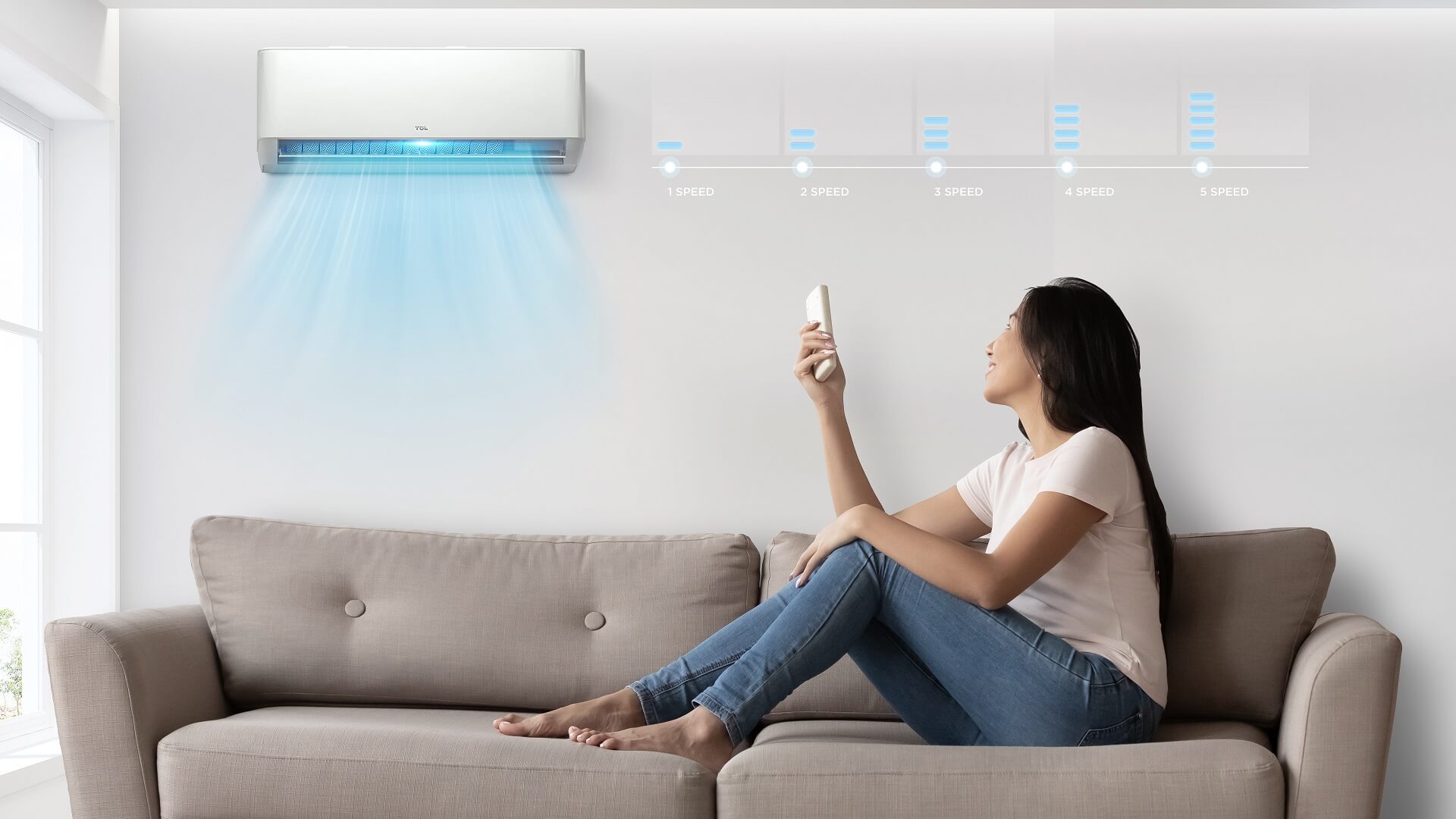
British summers are getting hotter. Many homeowners find that fans and keeping curtains closed are no longer enough for comfortable living. This change in climate makes effective cooling a modern necessity.
The market offers a vast array of cooling solutions. Different models come with varying costs, space needs, and installation complexities. Navigating these options can feel overwhelming for any property owner.
This comprehensive guide aims to simplify that process. It provides a clear path through the different types of air conditioning unit available. Understanding factors like room size, energy efficiency, and long-term costs is crucial for a smart decision.
Readers will gain practical knowledge to select a system that fits their specific home and budget. The advice includes insights from industry specialists, ensuring the information is both reliable and actionable.
Key Takeaways
- UK climate shifts are making efficient cooling essential for modern comfort.
- Traditional methods often fail to provide sufficient relief during warmer periods.
- The market features numerous models with different specifications and price points.
- Informed selection requires considering room size, efficiency, and installation needs.
- This guide offers expert insights to help navigate the available options confidently.
- Understanding long-term operational costs is as important as the initial purchase price.
Understanding Cooling Needs in UK Homes
Understanding the specific cooling demands of a UK residence begins with precise measurement and calculation. Proper assessment ensures an efficient installation that meets the property’s unique requirements.
Assessing Room Measurements and Layout
Accurate spatial evaluation forms the foundation for selecting an appropriately sized cooling unit. Homeowners should record length, width, and height while accounting for architectural features.
Alcoves, windows, and doorways significantly affect cooling requirements. Room layout also influences air circulation patterns, meaning identical square footage can have different thermal needs.
Calculating BTUs and Energy Efficiency
BTU (British Thermal Unit) measures an air conditioner’s cooling capacity. One BTU represents the energy needed to heat one pound of water by 1° Fahrenheit.
As a general guide, 7,000 BTUs suit a 9 square metre space. A 16 square metre room requires 9,000 BTUs, while 36 square metres demands 17,000 BTUs. These calculations assume standard UK ceiling heights of 2.4 metres.
Additional factors increase BTU requirements beyond basic room size. South-facing windows, conservatories, multiple occupants, and electrical appliances all generate extra heat.
An undersized unit lacks sufficient cooling power and runs constantly, risking system failure. An oversized model adds unnecessary costs (£200-300 extra) and occupies valuable floor space. Proper assessment prevents both scenarios.
Choosing the Right Air Conditioning System for Your Property
Property cooling decisions hinge on balancing practical needs with budget considerations. The ideal solution matches specific household requirements with appropriate technology.
Different cooling units serve distinct purposes. Portable models offer flexibility for occasional use in compact spaces. Split systems provide efficient cooling for medium-sized areas with regular usage. Ducted installations deliver comprehensive climate control throughout entire properties.
| System Type | Best For Room Size | Usage Frequency | Budget Range | Aesthetic Appeal |
|---|---|---|---|---|
| Portable Unit | Small rooms | Occasional | £200-£500 | Basic |
| Split System | Medium spaces | Daily | £800-£2,500 | Good |
| Ducted System | Whole property | Constant | £3,000-£10,000+ | Excellent |
Usage patterns significantly influence the optimal choice. Infrequent summer cooling suits portable options better than year-round climate control needs. Regular users benefit from split or ducted installations despite higher initial costs.
The most effective cooling solution considers both immediate comfort and long-term value rather than focusing solely on purchase price.
Budget planning should encompass installation expenses, running costs, and energy efficiency ratings. Each factor contributes to the overall investment value over the unit’s lifespan.
Exploring Different Air Conditioner Types
UK property owners face a diverse market of cooling technologies with distinct advantages. Understanding the five main categories helps identify the best fit for specific requirements.
Portable Air Conditioners: Flexibility and Trade-offs
Portable units offer immediate cooling for spaces up to 30 square metres. They cost £100-£600 and require no professional installation.
These mobile air conditioners operate at 50-60 decibels. Running costs average £0.24 per hour. They suit renters or temporary cooling needs.
Wall-Mounted and Ceiling Units: Efficiency and Aesthetics
Split systems feature separate indoor and outdoor components. Wall-mounted versions cost £800-£2,500 per room.
They operate quietly at 20-40 decibels. Energy-efficient A++ ratings keep running costs around £0.16 hourly. Ceiling units provide similar benefits with discreet installation.
Ducted and Commercial Units: Comprehensive Home Cooling
Ducted systems deliver whole-property climate control through hidden vents. Prices range from £2,500 to £14,500.
These premium solutions operate at 20-30 decibels. Commercial units serve large spaces like offices but aren’t suitable for typical homes.
Expert Advice and Industry Insights
Industry experts offer invaluable insights that cut through the complexity of modern climate control. Professional guidance helps property owners identify solutions that deliver both immediate comfort and lasting value.
Tips from Legacy Air Services Ltd
Legacy Air Services Ltd shares knowledge gained from extensive installation experience. Their specialists understand the unique demands of different property types across the UK.
They consistently recommend wall-mounted split systems for most residential applications. These units provide an optimal balance of quiet operation, energy efficiency, and aesthetic integration. This makes them ideal for bedrooms and living areas in UK homes.
The team at Legacy Air Services Ltd emphasises tailored assessments over generic solutions. They evaluate individual property characteristics to ensure perfect system matching.
Innovations Recommended by Legacy Air
Legacy Air identifies smart and hybrid technologies as valuable long-term investments. These advanced air conditioning units offer enhanced functionality and convenience.
Hybrid systems function as both efficient air conditioners and heat pumps. They provide cooling in summer and heating in winter, reducing reliance on traditional gas boilers.
Smart conditioners with Wi-Fi connectivity allow control via smartphone apps or voice commands. This future-proof solution appeals to tech-oriented homeowners seeking comprehensive climate management.
| Innovation Type | Key Features | Ideal For | Price Range (Installed) |
|---|---|---|---|
| Hybrid Heat Pump System | Year-round climate control, reduces gas dependence | Eco-conscious properties | £1,500 – £3,000 |
| Smart Air Conditioner | App and voice control, energy usage monitoring | Tech-savvy households | £1,800 – £3,200 |
| Advanced Filtration System | Improved air quality, allergen reduction | Homes with allergy sufferers | £2,000 – £3,500 |
Legacy Air notes these innovations represent the forefront of efficient air conditioning technology. They combine intelligent features with significant energy savings.
Installation and Ongoing Maintenance Considerations
Venting arrangements and professional setup form the foundation for reliable air conditioning operation. Different cooling solutions require specific installation approaches and ongoing care routines.
Venting Options and Professional Installation
Most cooling units need proper venting through windows, walls, or ductwork. Portable models use flexible hoses directed through available window spaces.
Wall-mounted split systems demand F-Gas registered engineers for compliant UK installation. Costs range from £1,000 to £2,000 depending on wall access complexity.
Window unit installation costs £100-£800. Ducted systems require £2,500-£4,000 per room, making them suitable for larger properties.
Maintenance Practices and Safety Guidelines
Regular filter cleaning prevents system strain and costly breakdowns. Property owners can maintain portable units themselves.
Split systems and commercial installations need annual servicing by qualified engineers. Professional maintenance typically costs £70-£120.
Modern units feature auto shut-off mechanisms and temperature sensors for safety. Keep areas clear around equipment and ensure unobstructed vents.
Proper installation and diligent maintenance extend system lifespan while maintaining efficiency and safety standards.
Comparing Costs, Energy Consumption and Efficiency
Budgeting for effective cooling solutions demands analysis of upfront investment versus long-term energy consumption. Property owners must weigh initial expenses against ongoing operational costs to make financially sound decisions.
Upfront Investment Versus Long-Term Savings
Portable units cost £100-£600 with no installation fees but higher running costs around £0.24 hourly. Split systems require £800-£2,500 investment but operate at just £0.16 per hour.
Ducted installations represent the highest capital outlay at £2,500-£14,500. Their £1.22 hourly running cost makes economic sense primarily for large properties needing whole-home climate control.
Energy Ratings and Impact on Running Costs
Efficiency ratings from A+++ to G directly influence electricity consumption. Higher-rated models use less power to achieve the same cooling performance.
A++ rated air conditioners recover their premium cost through reduced energy bills. Properly sized units with correct BTU ratings prevent wasteful energy consumption.
| System Type | Purchase Price | Hourly Running Cost | Energy Rating |
|---|---|---|---|
| Portable Unit | £100-£600 | £0.24 | B-A |
| Split System | £800-£2,500 | £0.16 | A+-A+++ |
| Ducted System | £2,500-£14,500 | £1.22 | A++-A+++ |
Seemingly small hourly cost differences compound significantly over typical summer usage periods. Regular users benefit from investing in more efficient conditioners despite higher initial prices.
Conclusion
Effective climate management stems from understanding how different cooling technologies align with specific household requirements. This guide has outlined the essential factors for selecting the optimal solution, from accurate room measurements to energy efficiency considerations.
No single air conditioning option suits all properties. The ideal choice balances room size, budget, and long-term running costs. Professional assessment ensures the selected system meets both current needs and future climate demands.
Readers now possess comprehensive knowledge to navigate the cooling market confidently. Whether considering portable units or advanced air conditioner technologies, informed decisions lead to comfortable living spaces today and beyond.
FAQ
How do I calculate the correct BTU for a room?
The British Thermal Unit (BTU) rating needed depends on the room’s size, the number of occupants, and heat sources like large windows or appliances. A professional from a company like Legacy Air Services Ltd can provide an accurate assessment to ensure the unit has sufficient cooling power without wasting energy.
What is the main difference between a portable and a wall-mounted air conditioner?
Portable units offer flexibility as they can be moved between rooms but typically require a window for venting and are less efficient. Wall-mounted systems are fixed, offer more powerful and quieter cooling, and provide a more permanent, aesthetically pleasing solution for a specific space.
Is professional installation necessary for all air conditioning units?
A> While some portable air conditioners can be set up by the homeowner, systems like wall-mounted, ceiling cassette, or ducted units absolutely require professional installation. A certified technician ensures the system is installed safely, operates at peak efficiency, and complies with building regulations.
How can an air conditioner impact my energy bills?
Modern units with high energy efficiency ratings (A+++ being the best) consume less electricity to achieve the same level of cooling. An appropriately sized, well-maintained system from a brand like Daikin or Mitsubishi Electric will be more cost-effective to run than an older, less efficient model.
What maintenance does an air conditioning system require?
Regular maintenance is crucial. Homeowners should clean or replace filters every few months. An annual service by a professional, such as those offered by Legacy Air, includes checking refrigerant levels, cleaning coils, and ensuring all components are functioning correctly for optimal performance and longevity.
Are ducted air conditioning systems suitable for a typical UK home?
Ducted systems are an excellent solution for whole-house cooling and can be discreetly installed within ceilings or under floors. They are ideal for properties undergoing major renovations or new builds, providing uniform temperature control throughout the home with minimal visual impact.