
Most electric water heaters are expected to last around a decade, and most of them give almost no warning before something inside finally fails. The unit keeps heating water right up until a fuse overloads, a seal gives way, or a wiring fault turns a routine shower into a genuinely dangerous situation.
Why the Current Draw Matters More Than People Think
An electric water heater pulls a serious amount of current the moment it switches on, enough that a worn plug, a loose connection, or a circuit that’s already carrying other heavy appliances can push past what the fuse was ever designed to handle. One documented case involved a plug’s internal cables fusing together simply because the heater demanded more than its 13-amp fuse could safely carry.
Signs the Unit Is Already in Trouble
- Water coming out hotter than the thermostat setting would normally produce.
- Discoloured or foul-smelling water from the hot tap specifically.
- Stains or damp patches on the ceiling below where the unit is mounted.
- Popping or knocking sounds during heating, usually a sign of sediment buildup inside the tank.
Can a water heater be installed without hiring a professional?
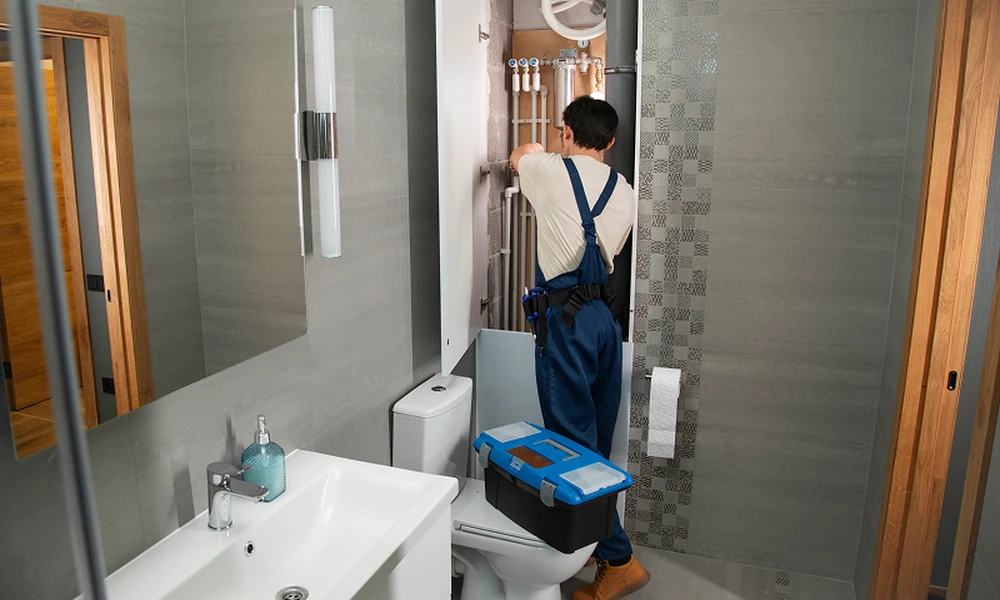
It shouldn’t be. Wiring and plumbing both need to be handled by a certified electrician or plumber, since a poor connection is exactly what leads to the kind of overload failures that cause real harm.
What should installation actually include beyond mounting the unit?
A proper setup checks that the electrical wiring is fully isolated from the water lines, and includes built-in thermal cutouts along with plastic isolation barriers at the inlet and outlet, not just a straightforward plug-and-mount job.
What Six-Monthly Maintenance Actually Prevents
A storage heater in Singapore accumulates sediment inside its tank over time, which is largely unavoidable given Singapore’s water hardness. Draining and flushing the tank roughly every six months clears that buildup before it blocks the heating element or starts causing the popping noises mentioned earlier, extending the unit’s working life well beyond what neglect would allow.
When Ten Years Isn’t a Hard Deadline
A unit that’s been properly maintained, flushed on schedule, and never shown any of the warning signs above can sometimes run past the ten-year mark without issue. The opposite is also true: a neglected unit, or one installed poorly from the start, can develop serious problems well before that point. The number is a general guide, not a guarantee either way.
What to Ask Before Hiring Someone for a Repair
Not every plumber or handyman is equally comfortable working around live electrical connections mounted this close to running water. It’s worth directly asking whether the person doing the work is actually qualified for the electrical side of a water heater repair, not just the plumbing side, since the two skill sets don’t automatically come bundled together in every tradesperson.
Why a Rental Unit Shouldn’t Be Treated Differently
It’s tempting to defer maintenance on a water heater in a rented flat on the assumption that it’s the landlord’s problem to eventually deal with. The actual risk, an overloaded circuit or a corroded tank, doesn’t distinguish between owned and rented property. Flagging warning signs early is worth doing regardless of who technically owns the unit, since the person showering under it is the one exposed either way.
A tenant who reports a popping noise or discoloured water promptly often ends up with a quick, minor fix. One who waits it out, assuming it’s not their problem to raise, sometimes ends up dealing with a far more disruptive failure instead, one that’s harder to schedule around and inconveniences everyone in the unit for longer.
Keeping a Simple Record Helps More Than Memory Does
Noting the installation date somewhere obvious, a sticker on the unit itself, a line in a phone note, makes the ten-year guidance actually usable. Without that record, most households genuinely don’t know whether their unit is three years old or closer to twelve, which makes it much harder to judge whether a strange noise is routine sediment or a sign something’s further along than expected.
Replacing a water heater before it fails is a far easier decision to make calmly than one made at 11pm with water already pooling on the bathroom floor.
Not sure if a unit’s showing its age or just needs a service? Describe what’s happening and it’s usually easy to tell which. Contact 360 Bathware to get a read on it.