
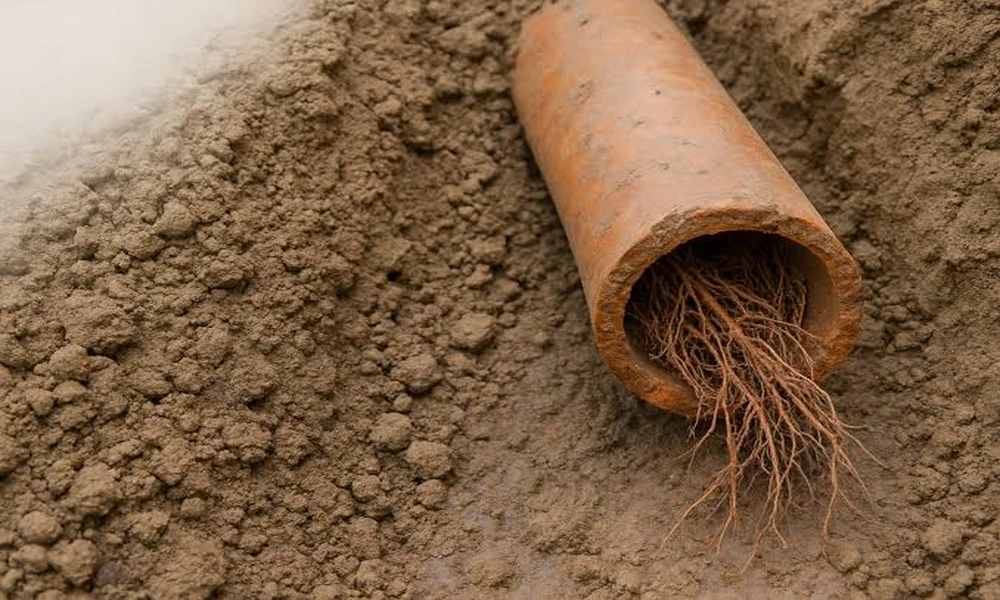
The first sign is rarely dramatic. A bathtub drains a little slower than it did last month, a toilet burps when the washing machine runs, and you decide it is nothing. By the time most people start looking for a Los Angeles plumber, the pipe under the lawn has been complaining for a year or more. The good news is that repairing it no longer means a trench across the yard. Trenchless Sewer Plumbing Inc., working from 5003 Loleta Ave under contractor license 1153851, has spent over thirty years on underground sewer work across the county, and the methods behind that work are worth understanding before anyone hands you an estimate.
Why older neighborhoods give up their pipes so quietly
Much of the city was plumbed decades ago with clay, and some mid century homes carry fiber conduit that softens and deforms with age. Clay lines are built from short sections, so there is a joint every few feet, and every joint is a small invitation. Tree roots sense moisture escaping through those seams, push in, and thicken until they catch paper and grease. Add shifting soil on hillside lots, the odd tremor, and winter storms that flood older mains with rainwater, and a line that behaved for fifty years can fail within a single season.
Here is the part that surprises people. Los Angeles County Public Works explains on its homeowner responsibilities page that the private lateral, the pipe running from your building out to the sewer main, belongs to the property owner along its entire length, including the stretch under the street. Knowing that early changes how you treat a slow drain.
Small clues that deserve a second look
Pipes seldom fail without warning. These are the signals plumbers hear about most often, roughly in the order they tend to appear.
- Drains slow down in more than one fixture, especially the lowest ones in the house.
- Gurgling from a toilet or floor drain whenever water runs somewhere else.
- A sour, swampy smell near the cleanout, the side yard, or the garage.
- One patch of lawn that stays soggy or grows suspiciously lush with no sprinkler nearby.
- Hairline cracks in a slab, a sinking walkway, or a sudden rodent problem near the foundation.
One of these alone can be a clogged trap. Two or three together usually point to the lateral.
Letting a camera settle the argument
Guessing is the expensive way to handle a sewer. A technician feeds a waterproof camera through the cleanout, and the monitor shows what the pipe really looks like. Root intrusion, cracked walls, offset joints, sags where water pools, and outright collapse each look different on screen, and each calls for a different fix. The tech also measures pipe length and diameter, which matters later if a liner or replacement pipe has to be ordered.
Ask for the recording. Footage turns an opinion into evidence, and it helps if you need a second quote or paperwork for a sale. The city has also offered rebates for lateral video inspection and repair in the past, subject to available funding, so check with LA Sanitation before any work begins.
Jetting comes first, and it is not the whole story
Hydro jetting sends high pressure water through the line to strip away grease, sludge, scale, and roots. It works well on buildup and is often the necessary first step, because a lining cannot bond to a dirty wall. Jetting does not repair anything, though. If roots keep returning, the opening they used is still there. And on a pipe that is already cracked or collapsing, aggressive jetting without a camera check first can make matters worse, which is one more reason the inspection leads.
Lining or bursting, the choice that shapes everything else
Cured in place pipe lining, usually shortened to CIPP, builds a new pipe inside the old one. A felt tube saturated with resin is pulled or inverted into the cleaned line, inflated so it presses against the walls, and then hardened. The result is a smooth, jointless liner that seals cracks and root entry points, and epoxy liners are commonly quoted as lasting more than fifty years. The catch is that the host pipe must still hold its shape. A line that has collapsed, separated badly, or sagged into a deep belly cannot be lined.
Pipe bursting is the answer when the old line is beyond saving. A bursting head is winched through the pipe, fracturing it outward into the surrounding soil while a new HDPE pipe follows right behind. It can also upsize a line that has become too small for the building it serves. Some people call it semi trenchless, and that is fair. Crews still dig an entry pit and an exit pit, and the ground shifts a little as the head passes, so nearby utilities and foundations have to be considered. Both methods are called trenchless because they cut the digging down to a few small holes, not because they remove it entirely.
What the invoice does not show
Trenchless work often costs more per job on paper than a conventional dig. The comparison changes once you count what a trench destroys. Driveways, patios, mature landscaping, irrigation, and hardscape all need rebuilding after an open cut, and that restoration bill lands separately and late. Trenchless jobs also tend to wrap up in a day or two instead of stretching across a week of noise, dust, and a yard you cannot walk through.
Trenchless is not magic, though. Severe sags, tangled collapses, or certain shallow and crowded layouts can still call for excavation. A contractor who tells you so is protecting you from a bad repair.
Questions worth asking before you sign anything
Keep these handy when estimates start arriving.
- Can I see the camera footage that led to this recommendation?
- Why lining for this pipe and not bursting, or the reverse?
- Who pulls the permit and schedules the city inspection?
- Is the contractor license active, and does the insurance cover this kind of work?
- How will the connection at the street and the cleanout be handled?
- What does the written warranty cover, and for how long?
Clear answers to all six usually sort the careful companies from the rushed ones within a single phone call.
Keeping the new pipe boring
A repaired lateral should fade from your thoughts. Keep grease, wipes, and anything not meant for a drain out of it. Plant thirsty trees well away from the line, and consider a backwater valve if your property sits low relative to the street, since storms can push sewage backward into a home. Add a proper cleanout if one is missing, because every future inspection depends on it. Do those few things and the pipe under your lawn goes back to doing its job in silence, which is the best thing a sewer line can do.