
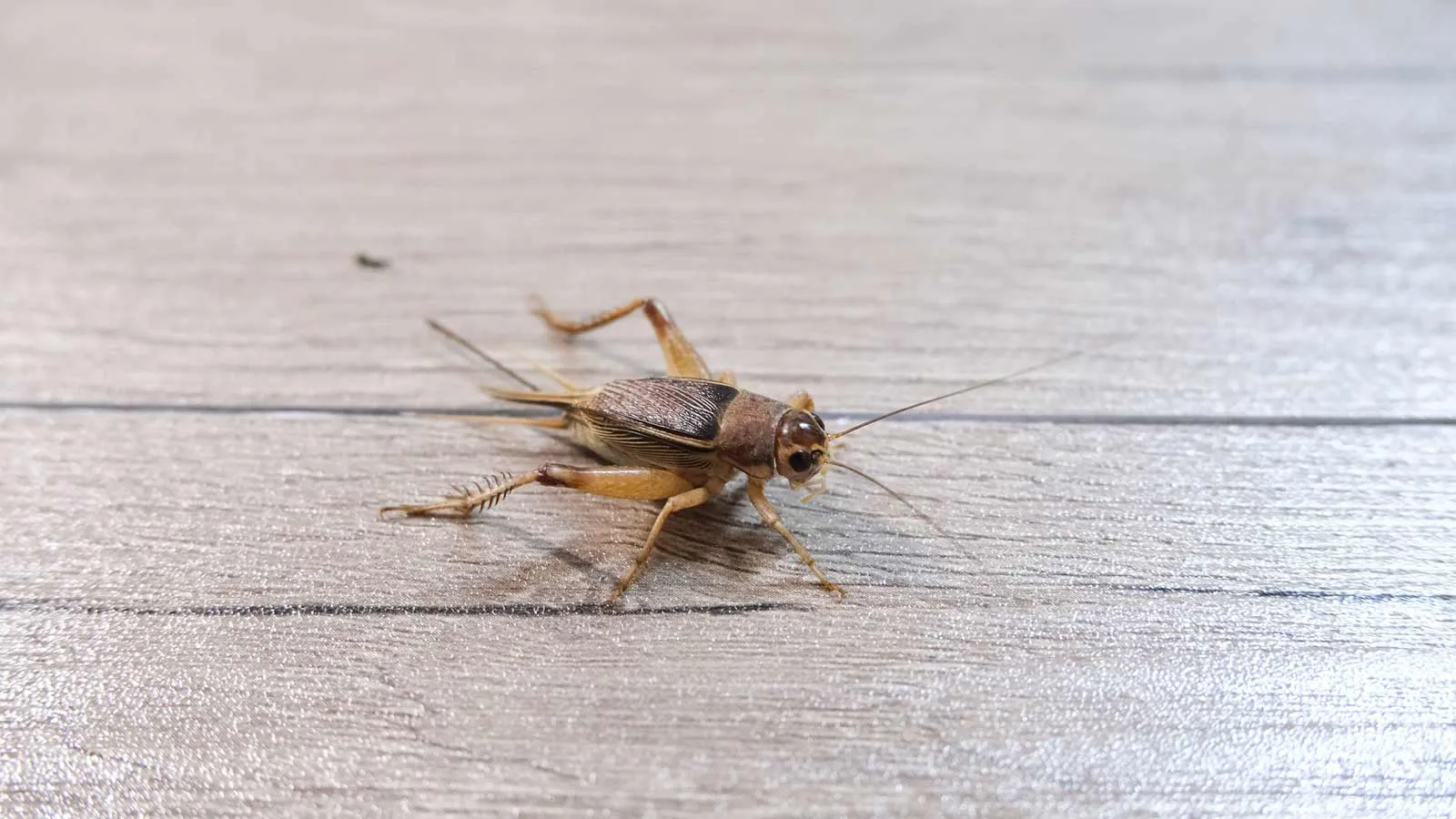
Crickets may seem harmless, but their presence inside a Phoenix home may cause stress to homeowners. The chirping alone can disrupt sleep. Spotting them in kitchens, bathrooms, or garages may make you wonder why these creatures are there. Crickets respond to specific conditions that make a property appealing, especially in a desert environment like Phoenix.
Phoenix stays warm for most of the year, which allows crickets to thrive. These insects remain active in mild to hot temperatures. But they look for cooler, shaded areas when outdoor heat rises too high. They can end up in garages and laundry rooms in homes. Professional cricket control in Phoenix involves identifying why crickets infiltrate homes. This allows experts to determine where crickets may be found and how to address an infestation. Below are reasons crickets may invade homes:
Moisture Sources Inside and Around the Home
Despite the dry climate, moisture exists around Phoenix homes. Crickets can stay hydrated when there are leaky pipes, condensation near air conditioning units, pet water bowls, and damp laundry areas in a home. They are usually drawn to bathrooms, utility rooms, and kitchens. But they can choose to stay near the structure if they have access to irrigation systems, dripping spigots, and shaded soil near foundations.
Outdoor Lighting
Crickets feed on organic matter and smaller insects. Outdoor lights attract flying insects, which in turn attract crickets. Crickets that gather near lights may explore nearby cracks and gaps. They can enter homes through entry points around doors and windows.
Easy Access Through Small Openings
Crickets can get inside through small gaps around doors, damaged weather stripping, foundation cracks, and torn window screens. Homes with frequent door use, such as garages or patio doors, may also experience higher activity.
Landscaping
Crickets can protect themselves from predators and get shade from thick grass, ground cover, mulch beds, and leaf litter. They may live outside the foundation and move indoors when disturbed or when temperatures shift. Shrubs touching walls or piled debris near the house make that transition easy.
Monsoon Season Activity Changes
Monsoon season brings moisture and plant growth to Phoenix landscapes. Rain supports outdoor cricket populations, but it also drives them toward dry shelter during storms. Heavy rain can flood ground nests or disrupt hiding spots, which causes crickets to move.
Food Sources
Crickets can eat pet food, crumbs, spilled drinks, and organic waste. Also, they can be drawn to cardboard boxes, stored paper goods, and trash bins. Crickets settle in and remain active for long periods when these items sit undisturbed.
Garage Spaces That Invite Crickets In
Garages serve as one of the most common entry points for crickets in Phoenix homes. They offer shade, cooler air, and access to water sources such as water heaters or laundry hookups.
Gaps at the bottom of garage doors allow crickets to enter with ease. Once inside, they may spread into adjacent living spaces through interior doors or wall gaps.
Seasonal Migration Toward Shelter
Cricket invasions often peak during late summer and early fall. Crickets move toward stable environments that offer food and moisture as outdoor conditions change. Homes with exterior cracks or cluttered outdoor areas experience more frequent issues during this period.
Nighttime Activity
Crickets remain most active at night. They can move freely in quiet, dark conditions. They will explore further indoors when a home stays quiet overnight. Chirping may signal male crickets seeking mates. This sound usually means more crickets remain nearby.
Crickets return when conditions remain favorable. Removing visible crickets without addressing moisture, access points, or shelter leads to repeat visits.
Phoenix homes with lush landscaping, irrigation, and shaded structures face ongoing issues unless preventative steps stay in place. Crickets adapt quickly and take advantage of consistent resources.