
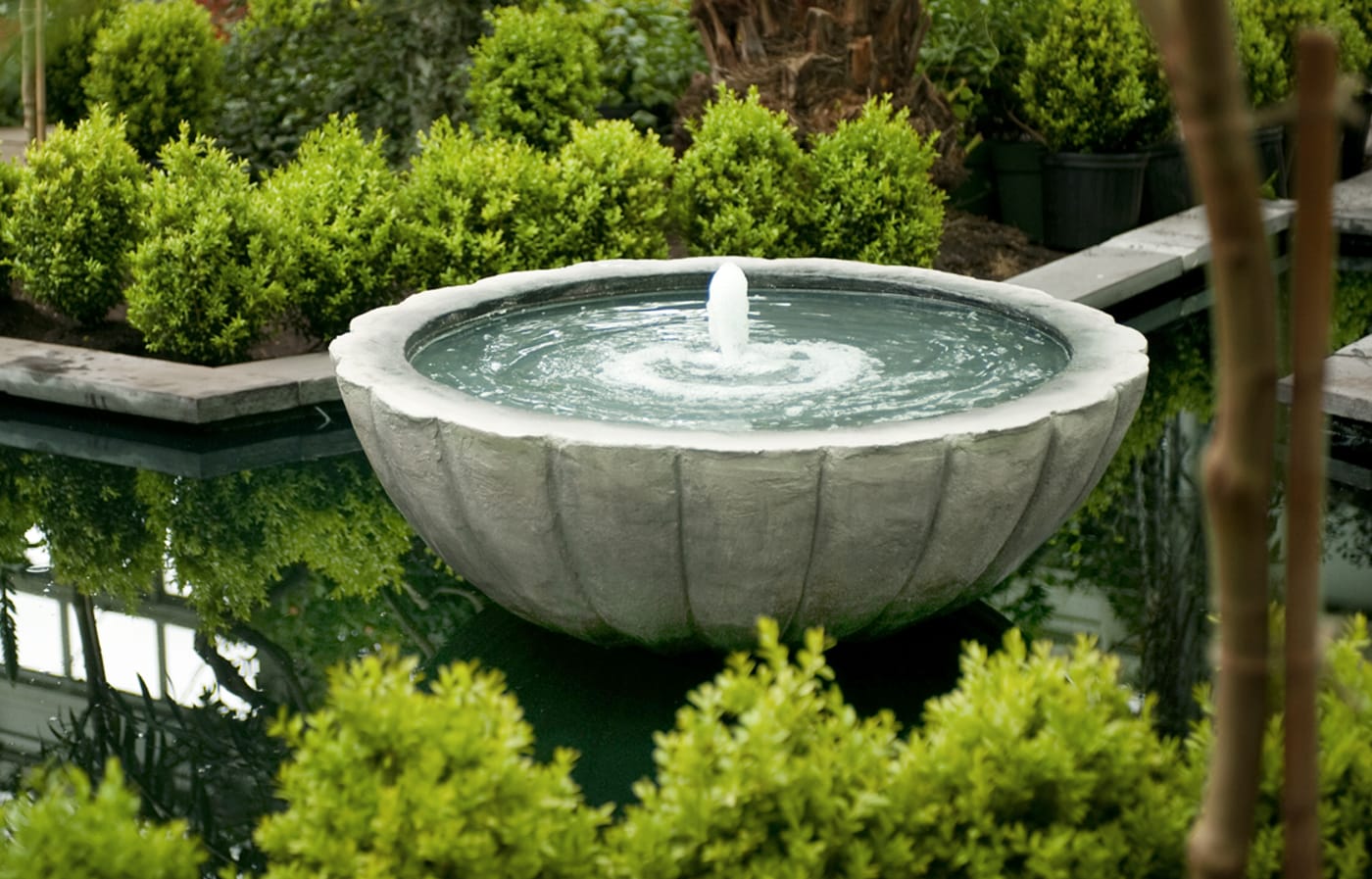
Outdoor spaces naturally gain comfort and character through thoughtful, incremental choices. Adding a fountain is one such choice. While it may seem small at first, a fountain can dramatically enhance a backyard by bringing the calming sound, gentle movement, and soothing rhythm of flowing water into everyday life. For many homeowners, unboxing and setting up a fountain can feel intimidating, particularly when considering placement, electrical connections, and water flow. However, understanding how these elements come together builds confidence, making the installation process much easier and more enjoyable.
Choosing the Right Spot
A good location makes everything easier later. Look for a level surface that can support weight once water is added. Visibility matters since outdoor fountains work best where they can be seen and heard. Access to a nearby power source also helps keep cords tidy and stress low.
- Pick a flat area that feels stable
- Make sure the fountain is easy to see
- Check power access before setup
Preparing the Ground
Before unpacking parts, clear debris and check stability. Uneven ground can cause wobbling later. Some beginners add a compact base using soil or stone to improve balance. Spending time here saves effort after the water starts moving.
Assembling the Fountain
Most kits come with clear instructions, but reading them fully avoids small mistakes. Dry-fitting parts before tightening helps alignment. Pumps should sit flat and connect securely. Clean seals help keep water inside the system where it belongs.
- Lay out all parts first
- Test fit pieces before locking them in
- Secure the pump firmly
Water and Power Setup
Fill the basin slowly and watch for leaks around joints. Once full, plug in the pump and listen for smooth operation. Adjust the flow until the sound feels balanced. Small changes can shape the overall feel.
Ongoing Care Basics
Regular maintenance of the entire system keeps its performance at the proper level. It is wise to monitor the water levels every few days and, in case of a low water level, to add some water. Cleaning of the pump is advisable every month in order to avoid any accumulation of dirt or debris. In winter, draining water keeps the equipment safe from freezing.
- Monitor water levels regularly
- Clean pumps on a set schedule
- Protect parts during cold periods
With the increase of confidence, typically, homeowners begin to see the different styles and little changes that would fit their space better. One can sometimes go as far as simply adding stones or soft lighting to get a lovely look without putting in much effort.
Gradually, the outdoor fountains maintenance turns into a daily routine that is not a hard job but rather done alongside the rest of the yard care.
Enhancing Your Fountain with Simple Landscaping Touches
Once your outdoor fountain is installed, small landscaping additions can significantly boost its visual and sensory appeal. Surrounding the fountain with stones, potted plants, or low shrubs helps integrate it naturally into your yard, while soft lighting can highlight the water’s movement in the evening.
Even adding a few decorative elements like pebbles or small statues can make the fountain feel like the centerpiece of your outdoor space. These finishing touches not only enhance the aesthetics but also create a serene, relaxing environment that complements the soothing sounds of flowing water.
Installing a fountain for the first time is not so much a matter of skill as of patience. The process is such that each step is done after the previous one, and finally, a boxed item is turned into an outdoor living feature. A fountain, with good placement and consistent care, can add value and peace of mind to a home; thus, the effort is perceived as being very worthwhile.