
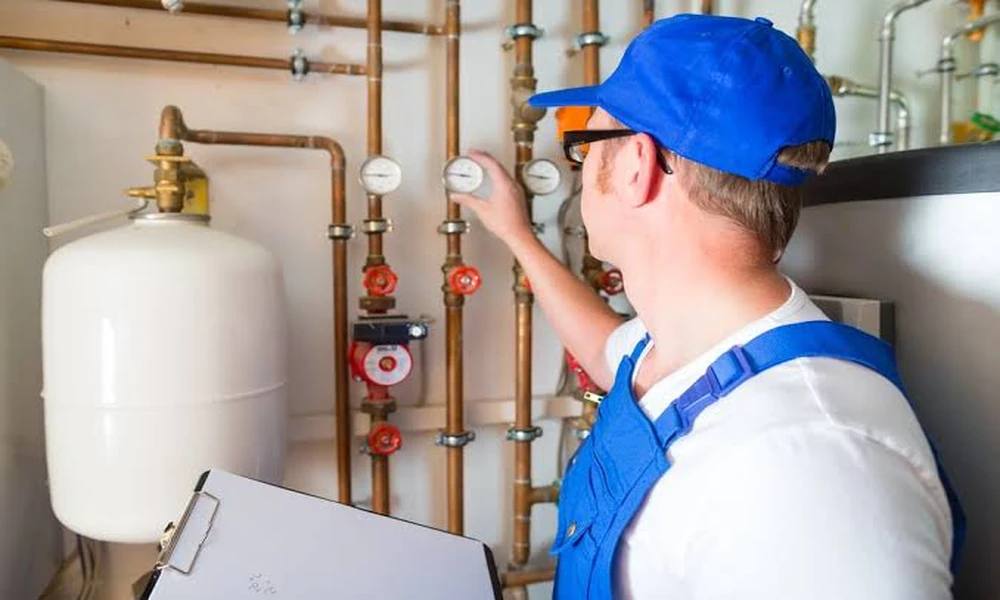
Choosing an energy-efficient heating system is an important decision for homeowners who want to maintain comfortable indoor temperatures while managing household energy use. With several heating technologies available, the right choice depends on property size, insulation, climate, budget and existing infrastructure. Understanding these factors before making a purchase can help you select a system that meets your household’s needs without unnecessary expense.
For homeowners considering heating system replacement in Akron, OH, evaluating the condition of the existing equipment is a sensible starting point. Frequent repairs, uneven heating and declining performance may indicate that an upgrade is worth investigating. Comparing available systems, installation requirements and long-term running costs can help you make a more informed decision.
Assess Your Home’s Heating Requirements
Every property has different heating requirements, so the size and layout of your home should influence your choice. A system that is too small may struggle to maintain comfortable temperatures, while an oversized unit can cycle on and off more frequently than necessary. Factors such as ceiling height, window quality, insulation levels and the number of occupied rooms all affect the amount of heating a property needs.
A professional heat-loss assessment can help establish the appropriate system capacity. This is particularly valuable when extending a home, improving insulation or replacing older equipment with a different technology. Rather than choosing a system based solely on the size of the existing unit, consider the property’s current condition and how your household uses its living spaces.
Compare Different Heating System Types
Several heating technologies can provide efficient indoor warmth, but their suitability varies according to the property and local conditions. Common options include heat pumps, gas furnaces, boilers and electric resistance heating. Each has different installation requirements, operating characteristics and maintenance needs, so it is important to compare systems in the context of your home.
- Heat pumps: Transfer heat rather than generating it directly, offering efficient heating under suitable conditions.
- Gas furnaces: Heat air and distribute it through ductwork, where an appropriate system is already installed.
- Boilers: Heat water for radiators or underfloor heating.
- Electric resistance heaters: Convert electricity into heat and may suit particular rooms or smaller spaces.
The most suitable option depends on factors such as energy availability, outdoor temperatures, existing distribution systems and installation costs. A heat pump may require changes to radiators or ductwork, while replacing a conventional furnace with a similar model may involve fewer alterations. Compare the complete installation requirements rather than focusing on the equipment alone.
Understand Energy Efficiency Ratings
Efficiency ratings provide a useful starting point when comparing heating equipment. Depending on the system type, manufacturers may use measures such as annual fuel utilisation efficiency for furnaces or seasonal performance ratings for heat pumps. These figures help explain how effectively equipment converts fuel into useful heat or transfers heat using electricity.
However, a higher rating does not automatically guarantee lower household bills. Actual performance also depends on installation quality, maintenance, thermostat settings and the property’s insulation. When reviewing specifications, check that you are comparing equivalent rating systems and understand whether the stated performance reflects seasonal operation or particular test conditions. This makes it easier to evaluate the likely benefits of different models.
Consider Installation Costs and Long-Term Savings
The initial purchase price is only one part of the overall cost of a heating system. Installation may involve electrical upgrades, new pipework, duct modifications, ventilation improvements or changes to existing radiators. These requirements can influence the final budget, particularly when switching to a different heating technology rather than replacing an existing unit with a similar model.
For homeowners weighing an upgrade, heating system replacement in Akron, OH should be assessed in terms of both immediate expenditure and expected operating costs. Request itemised estimates that explain the equipment, labour, required modifications and any included warranties. It is also worth checking available local incentives, eligibility requirements and manufacturer support before committing to a purchase. Avoid assuming that projected savings are guaranteed, as future costs depend on energy prices and actual system performance.
Prioritise Controls, Maintenance and Indoor Comfort
An efficient heating system should provide reliable warmth without unnecessary energy consumption. Programmable thermostats and suitable zoning controls can help manage temperatures according to household routines. For example, frequently occupied rooms may need more consistent heating than spaces used occasionally. However, settings should remain appropriate for the system and the needs of everyone living in the property.
Regular maintenance is equally important for preserving performance and identifying developing problems. Follow the manufacturer’s guidance for filter replacement, inspections and servicing. Keep air vents clear, investigate unusual noises and address inconsistent heating promptly. A correctly installed system with suitable controls and routine maintenance is more likely to deliver dependable comfort than equipment selected on efficiency ratings alone.
Key Takeaways
Selecting an energy-efficient heating system involves balancing household heating requirements, equipment performance, installation costs and long-term maintenance. Comparing heat pumps, furnaces, boilers and other options can help you identify a solution that suits your property’s layout, existing infrastructure and energy supply.
Before making a final decision, assess insulation, obtain professional advice and compare detailed installation estimates. The best heating system is not necessarily the most expensive or the one with the highest advertised rating; it is the one that meets your home’s needs efficiently, reliably and within a realistic budget.
===================================================================