
For all of you college students living in dorms or shared apartments is all about freedom, late-night study sessions, and maybe a few too many pizza boxes. But there’s one uninvited guest you don’t want crashing your space: black mold. This sneaky, toxic fungus can wreak havoc on your health and living situation if you don’t spot it early. Here’s everything you need to know about the dangers of black mold, its warning signs, and the health risks it poses—tailored just for you.
What Is Black Mold, Anyway?
Black mold, scientifically known as Stachybotrys chartarum, is a type of toxic mold that thrives in damp, humid, and poorly ventilated areas. It’s infamous for its dark green or black appearance and slimy texture. You’ll often find it in places like bathrooms, basements, or that sketchy corner of your apartment where a pipe’s been leaking. For college students, black mold is a real concern in older dorms, off-campus rentals, or anywhere moisture lingers.
Warning Signs of Black Mold
Spotting toxic black mold early can save you from serious health issues and costly damage. Keep an eye out for these red flags:
Musty, Mildewy Smell: If your room smells like wet laundry that’s been sitting too long, black mold might be the culprit. This odor is often strongest in bathrooms, kitchens, or near windows where condensation builds up.
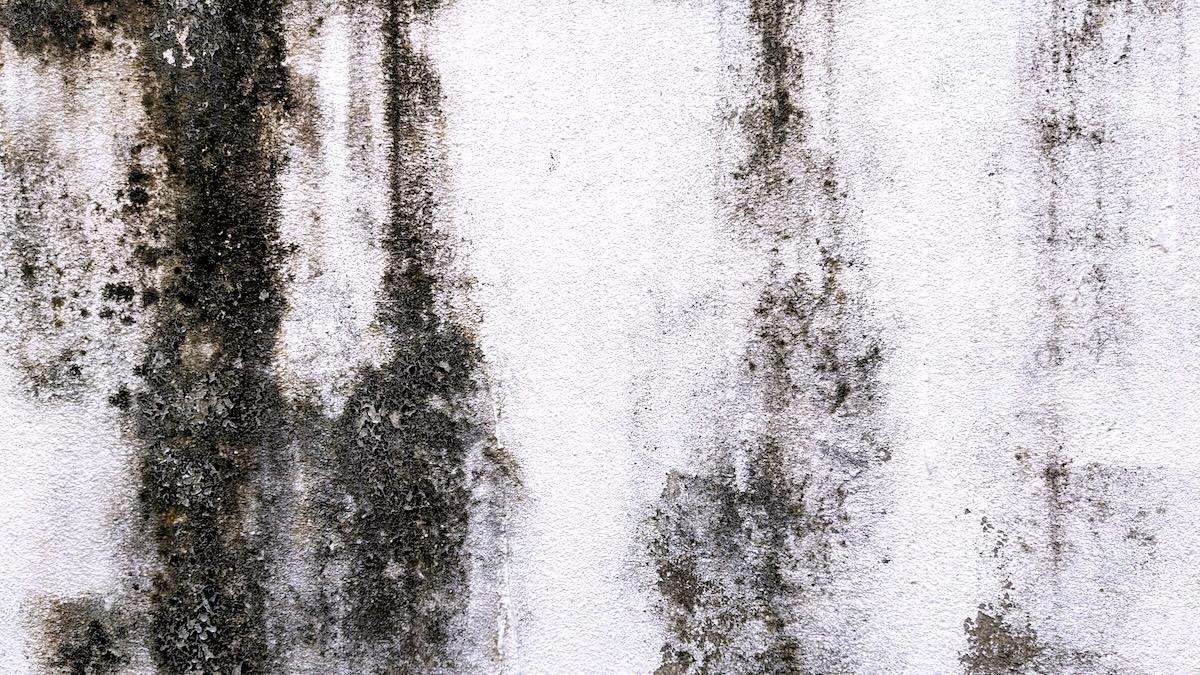
Visible Dark Patches: Black mold looks like dark green or black spots, often with a slimy or fuzzy texture. Check walls, ceilings, under sinks, or behind furniture—especially in damp areas. It might start small, but don’t ignore even tiny patches.
Water Damage or Leaks: Leaky pipes, water stains, or damp spots on walls or ceilings are mold magnets. If your dorm or apartment has a history of flooding or poor maintenance, black mold could be hiding nearby.
Peeling or Bubbling Paint: Warped walls, bubbling paint, or peeling wallpaper can signal moisture trapped behind surfaces—a perfect breeding ground for black mold.
Unexplained Health Issues: Feeling off when you’re in your room? Symptoms like coughing, sneezing, itchy eyes, or headaches that improve when you leave could point to mold exposure. Pay attention if you or your roommates feel worse at home.
Why Black Mold Is Dangerous
Black mold isn’t just an eyesore—it’s a legit health hazard, especially in the close quarters of college living. Here’s why you should take it seriously:
Toxic Spores: Black mold releases mycotoxins, harmful chemicals that can float through the air and mess with your body. These toxins make it more dangerous than other molds, especially with prolonged exposure.
Health Risks: Exposure to black mold can cause a range of health problems, from mild to severe:
- Allergic Reactions: Sneezing, runny nose, itchy eyes, or skin rashes.
- Respiratory Issues: Coughing, wheezing, or shortness of breath, especially bad for students with asthma.
- Chronic Symptoms: Headaches, fatigue, or difficulty concentrating—aka the last thing you need during finals.
- Serious Risks: In rare cases, prolonged exposure can lead to neurological issues or infections, especially for those with weakened immune systems.
If you’re constantly feeling sick in your dorm or apartment, black mold could be to blame.
Damage to Your Stuff: Black mold doesn’t just hurt you—it can ruin your textbooks, clothes, and that IKEA desk you spent hours assembling. Replacing damaged items can hit your student budget hard.
Mental Health Toll: Living in a moldy space can stress you out, especially if you’re dealing with health symptoms or fighting with your landlord to fix it. A gross environment isn’t exactly the vibe for crushing your studies or hosting friends.
Where Black Mold Hides in College Spaces
College living is prime territory for black mold because of shared spaces, old buildings, and sometimes spotty cleaning habits. Common hotspots include:
Bathrooms: Showers, tiles, and grout where water sits.
Kitchens: Under sinks, around fridges, or in forgotten spills.
Windowsills: Condensation from cold glass can create damp spots.
Basements or Laundry Rooms: Dark, damp, and poorly ventilated—mold’s dream home.
Closets: Stuffed with clothes and no airflow? Mold loves that.
Health Risks Specific to College Students
As a college student, you’re already juggling a lot—classes, social life, maybe a job. Black mold can make things tougher:
Worsened Asthma or Allergies: If you have asthma or allergies, black mold can trigger attacks or make symptoms worse, derailing your focus.
Sleep Disruption: Coughing or stuffiness from mold exposure can mess with your sleep, leaving you drained for that 8 a.m. lecture.
Concentration Issues: Mycotoxins can cause brain fog or fatigue, making it harder to ace your assignments.
Roommate Drama: If mold’s making everyone sick, tensions can rise in shared spaces. Nobody wants to argue over who’s cleaning the bathroom.
How to Protect Yourself from Black Mold
You don’t need to be a cleaning pro to keep black mold at bay. Here’s how to stay safe:
- Ventilate Your Space
Crack a window after showering or cooking to let moisture escape. Use exhaust fans if you’ve got them, and make sure they’re working. - Keep It Dry
Wipe down wet surfaces, like bathroom tiles or kitchen counters. Don’t let wet towels or clothes pile up—dry them ASAP. A small dehumidifier can help in humid climates. - Check for Leaks
Spot a drip or stain? Report it to your landlord or dorm maintenance immediately. Quick fixes prevent mold from taking hold. - Clean Regularly
Scrub bathrooms and kitchens weekly to stop mold before it starts. A cheap spray bottle with vinegar can work wonders on hard surfaces. - Inspect Your Space
When you move in, look for mold or water damage. Take photos and report issues to your landlord or housing office to cover yourself later.
What to Do If You Find Black Mold
If you spot black mold, act fast:
- Small Areas: For tiny patches (less than a square foot) on non-porous surfaces like tile, clean with a vinegar solution or store-bought mold cleaner. Wear gloves and a mask to avoid spores.
- Larger Infestations: Don’t mess with big mold problems or anything on porous surfaces like drywall. Contact your landlord or dorm staff ASAP—professional remediation is needed.
- Document It: Take photos of the mold and any water damage. This can protect you if your landlord tries to blame you for the issue.
- Health Concerns: If you’re feeling sick, visit your campus health center and mention possible mold exposure. They can help you track symptoms.
- Push for Action: Landlords or dorm management are responsible for fixing mold issues. Be persistent if they’re slow to respond—your health is on the line.
When to Call in Mold Remediation Professionals
If mold keeps coming back, covers a large area, or you suspect it’s hidden (like behind walls), you need pros. Mold remediation experts can safely remove it, but this is typically your landlord’s job in a rental. Don’t let them dodge responsibility—black mold is very serious.
Staying Safe from Black Mold Exposure
Black mold is no joke, especially in the chaotic world of college living. Its toxic spores, health risks, and ability to trash your stuff make it a problem you can’t ignore. Stay alert for musty smells, dark patches, or weird health symptoms, and take steps to keep your space dry and clean. You’ve got enough on your plate with exams and social plans—don’t let black mold derail your college vibe. Stay safe, stay healthy, and keep your living space free from mold.