
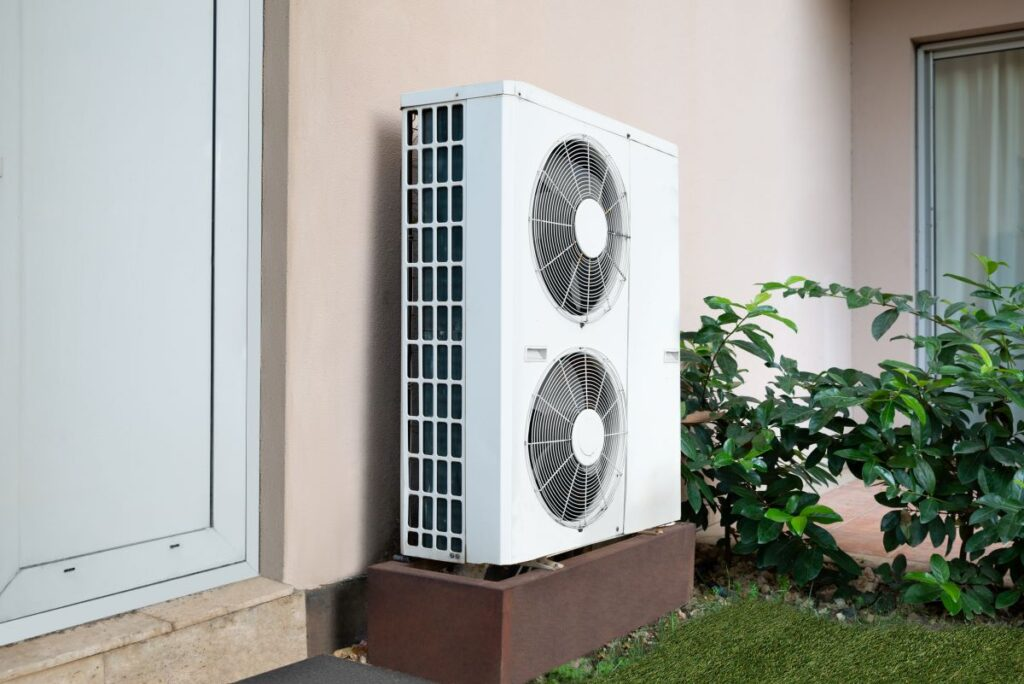
Florida storms can be powerful and unpredictable. From heavy rain and lightning to high winds and flying debris, severe weather can take a serious toll on your home’s heating and cooling system. HVAC repairs after storm damage are often urgent, especially when your air conditioner or heat pump stops working in the middle of hot, humid conditions. Understanding what to look for and how professionals handle these situations can help you act quickly and prevent further damage.
How Storms Damage HVAC Systems
Storm damage to HVAC systems can happen in several ways. Outdoor condenser units are especially vulnerable because they are exposed to the elements. High winds can knock over units or push debris into the coils and fan blades. Flying branches, roofing materials, and other objects can dent or puncture the cabinet, damage electrical components, or break refrigerant lines.
Heavy rainfall and flooding also pose major risks. Water can seep into electrical connections, short out capacitors, corrode wiring, and damage motors. If your system was submerged, even partially, it may not be safe to operate without a professional inspection. Lightning strikes are another concern. A direct or nearby strike can cause power surges that fry circuit boards, thermostats, and other sensitive electronics.
After a major storm, many homeowners find their system won’t turn on, runs loudly, blows warm air, or cycles on and off repeatedly. These are clear signs that HVAC repairs after storm damage may be necessary.
Warning Signs Your HVAC System Was Affected
Not all storm-related issues are obvious. Even if your system appears to be running, hidden damage can reduce efficiency or lead to bigger problems later. Watch for these warning signs:
Strange noises such as grinding, rattling, or buzzing
Reduced airflow from vents
Warm air coming from the AC
Frequent tripped breakers
Unusual smells when the system runs
Higher energy bills after the storm
If you notice any of these issues, it’s important to avoid DIY fixes. Storm damage often involves electrical components and refrigerant systems, which require proper tools and training to handle safely.
Why Professional Inspection Is Critical
One of the most important steps after severe weather is scheduling a professional inspection. Licensed HVAC technicians know how to safely evaluate storm-related damage, including hidden electrical issues that homeowners can’t see.
A professional will check the condenser unit for physical damage, inspect coils and fan blades, test electrical connections, measure refrigerant levels, and ensure the system is operating within manufacturer specifications. If flooding occurred, they will determine whether components need to be cleaned, dried, repaired, or fully replaced.
Attempting to restart or repair a storm-damaged system on your own can make the situation worse. You could void warranties, cause further internal damage, or put yourself at risk of electrical shock. Timely and proper HVAC repairs after storm damage protect both your home and your safety.
Common HVAC Repairs After Storm Damage
The type of repair depends on the severity and nature of the storm. Some of the most common services include:
Replacing damaged capacitors or contactors
Repairing or replacing fan motors
Fixing bent or clogged condenser coils
Replacing damaged refrigerant lines
Repairing circuit boards and thermostats
Realigning or securing shifted outdoor units
In more severe cases, full system replacement may be necessary, especially if the unit was submerged in floodwater. A reputable HVAC contractor will provide an honest assessment and help you determine whether repair or replacement is the most cost-effective option.
Insurance and Documentation
Storm damage is often covered under homeowners insurance policies, but documentation is key. After the storm, take clear photos of visible damage to your HVAC system and surrounding areas. Keep records of professional inspection reports and repair estimates.
Many HVAC companies are experienced in working with insurance adjusters. They can provide detailed documentation outlining the extent of the damage and recommended repairs. Acting quickly not only restores comfort to your home but also strengthens your insurance claim.
Preventing Future Storm Damage
While you can’t stop a storm, you can reduce the risk of damage. Securing your outdoor unit on a stable, elevated pad helps prevent shifting and flooding issues. Installing a surge protector for your HVAC system can minimize electrical damage from lightning strikes. Keeping trees trimmed and clearing debris around the unit also lowers the risk of impact damage.
Regular maintenance plays a role as well. A well-maintained system is more resilient and easier to inspect after severe weather. Technicians can identify potential vulnerabilities before the next storm season arrives.
Act Quickly to Restore Comfort
Storm damage can leave your home uncomfortable and even unsafe. Delaying service may cause minor issues to escalate into major breakdowns. Whether your system won’t start or simply isn’t cooling as it should, professional HVAC repairs after storm damage ensure your equipment is restored properly and efficiently.
Partnering with an experienced HVAC company gives you peace of mind during a stressful time. With prompt inspection, accurate diagnosis, and expert repair, you can get your heating and cooling system back to full performance and protect your investment for years to come.
This post was written by a professional at Air Mavericks Heating & Cooling. Air Mavericks Heating & Cooling provides expert AC repair, installation, and maintenance in Largo, FL. Searching for ac companies near you, hvac repair near you, or hvac installation near you? Our licensed techs deliver fast, honest, and reliable HVAC service.