
Hard water in the Magic Valley is a regular concern for homeowners here. Unlike coastal or softer-water regions, Twin Falls plumbing faces unique calcification risks that make standard DIY maintenance inadequate. Preventing common sewage backups and slow drains that plague Magic Valley homes is a challenge, and your best bet is to call a professional service. Plumbing companies in Twin Falls, like masterrooter.com, ensure you get the support when there is a drainage problem without waiting for days. Before calling the Master Plumbing team, below are some details that can help.
Reasons Behind Twin Falls Drain Failures
- The high calcium and magnesium levels in Southern Idaho are among the top reasons. These bond with soap scum to create limescale, and this buildup narrows the diameter of PVC and galvanized pipes with time.
- The volcanic soil and basalt rock layers in Twin Falls affect pipe stability, and local trees like poplars and elms, common in older Twin Falls neighborhoods seek out moisture in sewer lines during dry spells, leading to structural blockages.
- Temperature fluctuations are the third reason. The freeze-thaw cycles in the Magic Valley cause pipes to expand and contract, leading to fractures that eventually lead to the accumulation of debris and grease.
Trouble Spots in Local Homes
The kitchen sink often becomes a problem during winter. When cooking fats, such as bacon grease, and oils hit cold pipes in a Twin Falls winter, instant solidification can impact drainage. Older homes near the downtown core are more prone to drainage issues compared to newer developments near Pole Line Road. Many Twin Falls homes also have basements, and drains are often the first place where backups are seen. Yet, residents ignore the concern until there is flooding.
Dos and Don’ts for Homeowners
- Natural Flush: You can consider using boiling water and vinegar/baking soda as a monthly maintenance routine to break down light mineral deposits. Make sure you don’t use retail chemicals that can damage septic systems, which are common in rural Twin Falls. Harsh chemicals can leak into the local groundwater or disrupt the bacterial balance required for those on septic tanks on the outskirts of town.
- Mechanical Tools: You can also get a sink plunger, which is safe to use for most cases. Also, having hand augers at home makes sense for hair clogs in showers without scratching porcelain or piercing aging pipes.
- Screening: Ensure you have installed new mesh strainers in sinks and bathrooms to catch hair and food particles before they enter the localized plumbing system.
When to Call Professional Plumbers
Below are some situations when you need your plumbing technician:
- If more than one fixture is slow, the problem is likely in the main line, which requires industrial equipment.
- If you hear gurgling sounds and foul odors, call plumbers immediately. This happens when snow covers roof vents and creates a vacuum that causes drains to gurgle and sewer gases to enter the home.
- If you cleaned a drain but it clogged again within days, it shows a bigger and undetected issue that must be checked by experts.
How do Professionals Work?
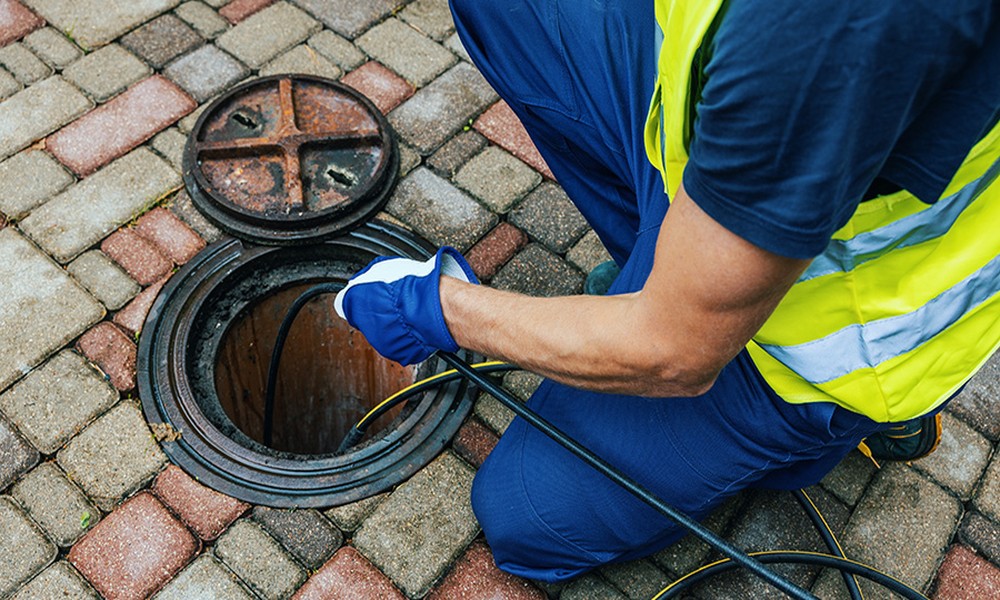
Plumbers use waterproof cameras to see through the buildup and find the blockage. It ensures that the source of the backup is found without damage to your property. When pipes are choked, professionals often use high-pressure water streams to scour the interior walls. This is a great alternative to otherwise expensive pipe replacements. For houses struggling with tree roots, crews use motorized cutters that spin inside the drainage pipe to slice through obstructions and open the line.
Experts from a trusted plumbing company in Twin Falls also provide tips that can prevent emergencies.