

Home inspection report
How a home inspection report can turn a tight deadline into a better decision.
You get the report back with three red flags: a leaky roof by a vent pipe, a recall-status electrical panel, and an aging HVAC unit that still works but has reached the end of its useful lifespan. You don’t have to walk away. In a short contingency period, you just have to act fast.
This isn’t a to-do list for the seller. The report tells you what you could see on the day of the inspection, and highlights things that are safety hazards, things that are worn out, maintenance reminders, and things that should be evaluated by another professional. What really matters is knowing what is deal-breaking, and what should be saved for your home improvement fund.
Health and Safety Come First
Always start with things that could cause physical harm, regardless of how the report addresses them. Things like a recall status electrical panel, exposed wiring, uncovered junction boxes, missing stair railings, or combustion gas issues should all be investigated further right away – https://www.cdc.gov/niosh/publications/.
For instance, the inspector might mention a recall or known issue with a certain brand of electrical panel but will not necessarily inspect every part inside the panel. This is fine. Inspectors do not typically take apart electrical panels or do a full electrical assessment. Instead, you should ask for a licensed electrician’s quote and project details.
Here are some questions to ask:
- Is the issue due to the model, visible damage, heat, or multiple issues?
- Did you notice any unsafe wiring conditions outside the panel?
- Is the condition something that needs immediate replacement, repair, or assessment?
- Were there areas you were unable to reach during the inspection?
The price to replace an electrical panel depends on the size of the panel, upgrades to your service, permits required, and condition of the wiring. Replacing a standard panel might run a couple of thousand dollars, whereas upgrading to a larger service can be a lot more. You don’t need to find a magic price; instead, determine if the report is about a simple repair or a whole new project.
Current Leaks and Old Damage Are Not the Same
Residential roofing and vent pipe
Roofing terminology can be misleading. “Staining present” is not the same thing as “moisture detected,” and both are not the same thing as “remaining useful life at end.”
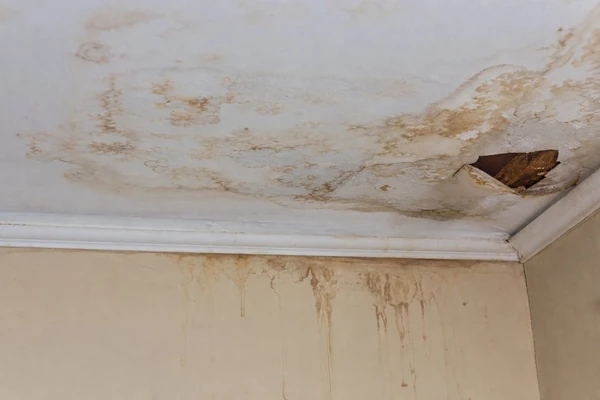
An active leak requires attention immediately, as water damage does not wait for you to fix the roof. Full guide here. You might find the repair involves replacing flashing around a vent or chimney and is fairly limited, while decking damage, extensive flashing issues, or a roof near the end of its useful life may involve a bigger negotiation. Ask the inspector how they located the water, if the source was exposed, and if there was any sign of continued deterioration in the attic materials.
This seems excessive if the inspector noted only some cosmetic granule shedding on a structurally solid roof. You may want to avoid getting sidetracked by requests for concessions for a new roof under these circumstances. A roofer can help fine-tune an estimate, but check the wording. Does the roofer propose a simple fix, or a complete repair of the problem that caused the leak?
Aging Equipment Is a Cost Consideration
A heating/cooling system that is past its prime but working is a common difficult choice. It worked during the inspection, there was no sign of leaking lines, and it could soon reach the end of its useful life, and CNET is the least fluffy write-up I’ve seen at www.cnet.com/home. That is different from a broken system.
An inspector might state the system age, advise annual maintenance, and state they can’t vouch for its remaining lifespan. The practical side of reviewing starts there. If it breaks down, the cost varies based on size, ductwork condition, efficiency level, any electrical work needed, and whether only the condenser or both condenser and air handler are being replaced.
Instead of asking for a replacement because the system is old, ask the inspector if there were any signs of imminent failure: unusual sounds, lack of airflow, excessive condensation, degraded insulation, or evidence of improper installation. The question to consider is whether you can afford to replace it early.
If the seller will do any of the repairs, make sure the scope of the work is in writing. Who will do it, will they need permits, will you get a receipt?
For major items, ask for a reinspection or walk through to see that the repair addresses the reported condition.
What Must Happen Before the Contingency Deadline?
If time is short, go through your inspection report and divide the items into four buckets: 1. Safety Issue: requires repair or professional diagnosis before closing; 2. Current Cost: evidence of damage, or imminent need to replace something significant; 3. Repair Request: documented defect which you believe is reasonable to ask the seller to fix, or offer a credit for; 4.
Monitor For Later: signs of wear, maintenance needs, or aging which don’t warrant action right now. Don’t send the entire report to the seller. Asking for fixes for an active leak, a product recall, and a clear-cut defect is a lot easier to defend than a laundry list of small items.
The Final Deadline Check
Read the report a second time with a yellow highlighter marking safety hazards, water intrusion, and major systems issues. Seek out contractors for help in areas that might influence your decision, rather than simply confirming that something is old. Then, weigh the potential cost of repairs against the home’s condition and your tolerance for uncertainty. Submit your repair request, or decision to proceed with the contingency, before the deadline stated in your purchase contract.