
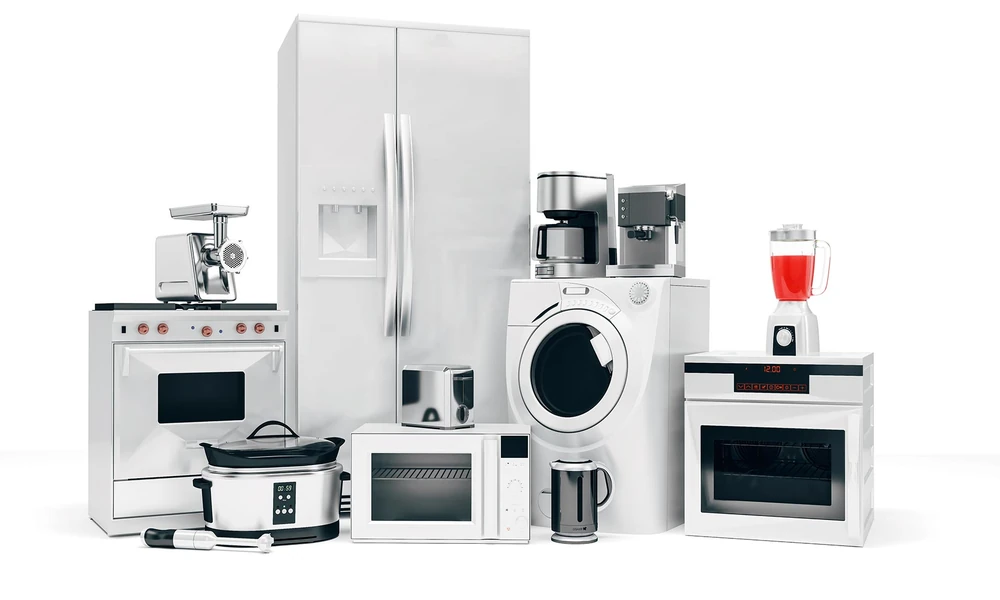
Appliances that come with a home can be useful and unfamiliar at the same time. The first few days are best spent learning their identities, controls and documented condition, rather than assuming every unexpected sound is a fault. For a household settling into Kanata or elsewhere in Ottawa, a small amount of organized information can make actual repair needs easier to distinguish from the ordinary adjustment to different equipment.
The first week is not a stress test
A move already places unusual demands on a kitchen and laundry room. There are more people coming through, meals happen at odd hours and boxes occupy normal work areas. This is not an ideal setting for elaborate experiments with every appliance function. Begin with the manufacturer’s instructions and ordinary use that fits safely around the unpacking.
Find the controls before assuming how they work. A programme name, a lock feature or a display symbol may differ from the appliance in the previous home. Familiarity with one machine is useful experience, but it is not a substitute for the exact model’s instructions. Keep the manual accessible to everyone who will use the appliance.
Do not use an appliance with visible damage or concerning behaviour simply because it was already installed. Stop and obtain appropriate advice. Equally, avoid diagnosing a fault solely from an unfamiliar operating sequence. The aim is to observe normal use with the right reference, while taking actual warning signs seriously.
Give the surrounding space attention too. Unpacked items should not block controls, crowd appliance access or turn a cooking area into temporary storage. Restoring a normal working area helps the household use the equipment as intended. It also makes it easier to describe a problem if one becomes apparent.
Recover the story that already exists
Collect whatever documents were provided with the home: appliance manuals, installation details and repair invoices. Keep factual records distinct from casual recollections. An invoice showing a completed repair is stronger evidence of that work than a vague comment that a machine was “recently serviced.” Both may be worth retaining, but they should not be treated as equivalent.
Identify each installed appliance using accessible labels or existing records. A model photograph and a clearly named document folder may be enough. Do not move connected equipment or remove panels to complete the collection. Missing information can be obtained during an appropriate professional visit if it is not safely accessible.
Purchase dates, installation dates and repair dates describe different events. An appliance may have been bought before a renovation or serviced long after it was installed. Preserve those distinctions rather than estimating age from the kitchen’s appearance. A new cabinet front does not establish that the appliance behind it is new.
If warranty paperwork is present, check its actual terms and any conditions relevant to the current owner before relying on coverage. Do not infer transferable coverage from a remaining date alone. This is a document question to resolve directly, rather than a reason to promise that the first repair will be free.
A previous repair record can also identify a useful service history without obliging the new owner to use the same provider. What matters initially is understanding the finding and completed work. Keep the information available for whoever assesses a later symptom so the household does not start every conversation from zero.
Decide what belongs on the repair list
Separate functional concerns from preferences. An appliance that does not perform its basic task deserves a different response from one with controls the new owner dislikes. Cosmetic wear, a missing accessory and an observed operating fault may all be worth addressing, but they should not automatically become one urgent replacement project.
Describe a functional concern using the event itself. Note the programme or task, what happened and any message displayed. If there is no established baseline, say so. “This happened on our first use” is accurate and useful; “it always does this” is a claim the new household may not yet be able to support.
For a confirmed local service reference, Capital Appliance Repair’s Kanata page describes appliance repair in that Ottawa community. The model and symptom should guide an enquiry, with availability and suitability confirmed directly. The neighbourhood page does not establish the condition of an appliance or the urgency of a particular fault.
If several appliances need attention, prioritize their actual effect on the household. A clear safety concern comes before convenience, and essential daily functions may come before appearance. A repair assessment can then help determine whether the appropriate response is maintenance, a specific repair or a replacement plan.
Keep any questions about sale representations or responsibilities separate from technical diagnosis. This article does not resolve contractual obligations. The practical task is to document what is observed and obtain the right assessment. That factual foundation remains useful regardless of who ultimately arranges or pays for the work.
Make the house easier for its next ordinary day
Once the household has a reliable understanding of the equipment, keep the useful information compact. Model details, the correct manual and any completed repair record are more valuable than a large collection of unsorted screenshots. Put them somewhere another household member can find without asking the person who handled the move.
Learn routine care from each appliance’s instructions and assign it realistically. Different equipment can require different attention, so avoid importing every habit from the previous home unchanged. If a task is unclear or beyond safe owner care, obtain advice instead of improvising.
A home becomes familiar through ordinary breakfasts, complete laundry loads and dinners prepared without uncertainty about the controls. There is no need to master every feature immediately. A few dependable records and a sensible response to real faults let the appliances become part of daily life, rather than another set of mysteries left behind by the moving boxes.