
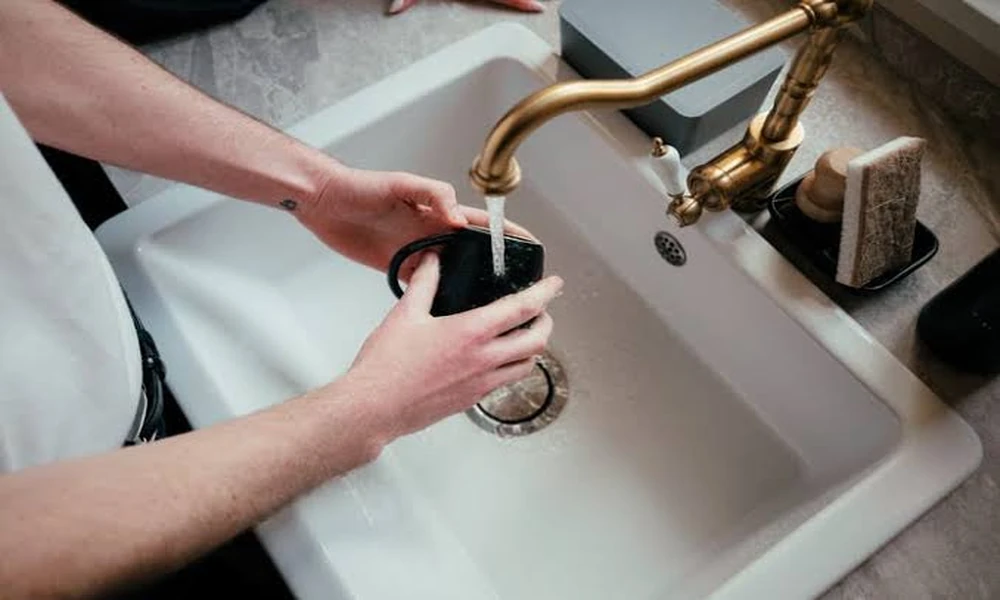
A utility sink that looks convenient for temporary drying equipment may already be needed for laundry, cleaning or another household task. Before agreeing on a dehumidifier arrangement, explain those competing uses to the provider and the person responsible for the drying plan. A suitable discharge route has to work through an ordinary day, not just during installation.
This is an easy detail to miss in a Vaughan home where the laundry room also serves as storage and a general work area. The sink is visible, nearby and apparently available. Yet the person arranging the rental may not be the person who normally uses it, and a temporary setup can create a conflict nobody discussed.
A convenient fixture may have competing uses
Begin with how the space is actually used. A family member may soak clothing in the basin, a cleaner may need it during a scheduled visit or a contractor may expect access for unrelated work. These are not reasons to improvise a connection elsewhere. They are facts to bring into the equipment discussion before a plan is accepted.
Walk through a typical day with the people who use the area. Identify the activities that can move and the ones that cannot. An occasional task may be easy to postpone, while essential laundry may require another arrangement. Deciding that together is more reliable than discovering a displaced hose after someone tries to restore their usual routine.
Equipment type also matters. Ask how the proposed unit handles collected moisture and what arrangements its manufacturer permits. Do not assume that a hose is supplied, that any sink is suitable or that a familiar household dehumidifier explains the operation of a rented model. The approved arrangement should be clear before it becomes part of the room.
Drying Equipment’s Vaughan dehumidifier rentals provide a local category to discuss in that context. Describe the shared laundry space when asking about a unit. Current equipment, accessories and setup responsibilities need direct confirmation, including who determines whether the proposed discharge location is appropriate for the property.
Describe the whole route to the provider
A destination alone is not a route. The equipment may sit in another room, with doors, corners and walking areas between it and the fixture. Give the provider an accurate description or simple layout. Let the qualified person determine the permitted configuration instead of assuming that any available length of tubing can connect the two points.
Discuss everyday movement through the area. A door that is normally closed, a cupboard that opens into the space or access to the laundry appliances can affect whether the proposed arrangement is practical. The goal is to identify a conflict early, not to devise a homemade workaround once equipment is operating.
Plumbing suitability is a separate question from equipment availability. If the existing fixture or drainage condition is uncertain, seek the appropriate plumbing advice. A rental provider can explain its machine, while a plumbing professional may be needed to assess the building system. Neither role should be assumed to cover the other without an explicit agreement.
Power and placement also need to follow the actual equipment instructions and the assessed condition of the site. Do not create an electrical route near water simply to reach a convenient drain. If the available arrangement cannot meet the requirements, the plan needs to change before operation rather than relying on everyone being unusually careful around an unsuitable setup.
A photograph can help communicate the layout, but it cannot prove that a route is approved or that a fixture functions correctly. Treat it as an aid to discussion. Ask the responsible person to identify any remaining information they need and who will resolve it at the property before the equipment is put into use.
Someone must notice when the arrangement changes
Once an arrangement has been approved, make sure everyone using the space knows that it is temporary equipment with an assigned purpose. A visitor or cleaner may otherwise move a component because it appears to be an abandoned household item. A short explanation is often more useful than a complicated notice that nobody reads.
Name the person who will contact the provider if something looks wrong. That person should know the relevant operating instructions and the agreed response to a problem. They should not be expected to diagnose or repair the machine. Their role is to recognize a change, follow the supplied directions and obtain help from the appropriate contact.
Discuss absences honestly. If the household will be away or unable to carry out the required checks, the responsible professional needs to know before the rental begins. Do not invent a monitoring interval or assume unattended operation is permitted. The arrangement must fit the unit, the site and the plan, including whatever supervision is required.
A change to the room can reopen the decision. Moving an appliance, using the sink for another task or having a trade work along the route may affect what was agreed. Report those changes instead of quietly reconnecting or repositioning parts afterward. Restoring the approximate appearance of the setup is not the same as confirming that it remains suitable.
Make the end of the booking a controlled change
Clarify who will prepare the equipment for collection and restore the room to normal use. The process should follow the provider’s directions and any requirements from the person overseeing the drying work. Ending the invoice period and ending the equipment’s role are related decisions, but one should not silently stand in for the other.
Before the collection visit, tell the other users of the space what will happen. Confirm that the agreed access is available and that the person collecting the unit knows any relevant restrictions. Avoid dismantling the arrangement early just to free the sink unless that step has been approved.
The useful outcome is an ordinary utility room again: appliances accessible, the sink available for its intended uses and no uncertain temporary connection left behind. Thinking about that everyday scene at the beginning makes the rental easier to live with and gives its final day a clear, practical finish.