
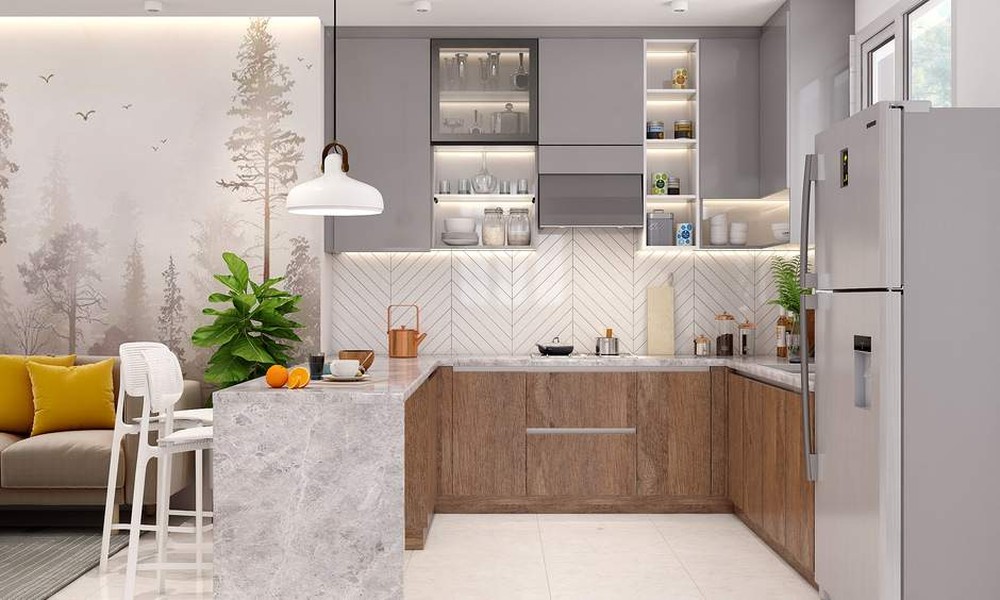
Creating a cooking studio in a small kitchen is no longer just a dream reserved for large homes. With the right smart lighting approach, even compact spaces can transform into visually appealing, functional, and camera-ready cooking setups. Thoughtful placement of LED lights, layered illumination, and intelligent control can enhance both your cooking experience and content quality without overwhelming the space.
Start with a Smart Lighting Plan
A well-planned lighting layout is the backbone of any small kitchen studio. Instead of relying on a single overhead source, divide your lighting into layers such as ambient, task, and accent.
Ambient lighting ensures the entire kitchen is evenly lit. Task lighting focuses on work areas like countertops and stovetops. Accent lighting adds depth and visual appeal, which is especially important if you are recording cooking videos or sharing content online.
Using smart LED lights allows you to control brightness and colour temperature, helping you adapt your kitchen lighting for different cooking moods or filming requirements. A balanced combination ensures your space feels open, well-lit, and visually interesting.
Use False Ceiling Lights for Even Illumination
In small kitchens, shadows can easily disrupt both cooking and filming. Installing false ceiling lights helps create uniform lighting across the space, eliminating harsh shadows and uneven brightness.
Recessed or panel-style false ceiling lights work well because they distribute light evenly without taking up visual space. This keeps the ceiling uncluttered while enhancing brightness. Smart-enabled options allow you to adjust intensity depending on the time of day or type of content you are creating.
For example, a slightly warmer tone works well for casual cooking sessions, while a neutral white tone enhances clarity when filming detailed recipes. Proper ceiling lighting ensures your kitchen looks clean, spacious, and professionally lit.
Focus on Cabinet Lighting for Task Efficiency
Good lighting directly impacts how efficiently you cook. This is where cabinet lighting becomes essential. Installing lights under cabinets ensures that countertops are brightly illuminated, making chopping, mixing, and plating easier.
Cabinet lighting also enhances the visual appeal of your setup. It reduces shadows caused by overhead lighting and highlights your workspace clearly on camera. Smart-controlled cabinet lighting allows you to switch between brightness levels, depending on whether you are prepping ingredients or filming a close-up shot. In small kitchens, this type of lighting also adds depth, making the space appear larger and more structured.
Create Depth with Layered LED Lighting
Layering is key when working with limited space. Relying only on overhead lights can make your kitchen look flat and uninviting. Adding multiple layers of LED lights helps create dimension and visual contrast.
You can combine ceiling lighting with under-cabinet lighting and subtle accent lights to highlight specific areas like shelves or backsplash. This layered approach ensures your kitchen looks dynamic rather than cramped.
Smart LED lighting systems allow you to control multiple layers independently. You can brighten the workspace while keeping background lighting softer, which is especially useful when shooting cooking videos or creating social media content.
Optimise Lighting for Camera-Friendly Results
If your cooking studio is also used for content creation, lighting plays a crucial role in how your kitchen appears on camera. The goal is to achieve soft, shadow-free lighting that enhances colours and textures.
Position your main light source in a way that it illuminates your face and workspace without creating harsh glare. Supplement this with false ceiling lights to maintain even brightness across the frame. Cabinet lighting helps highlight the countertop where most action happens.
Smart lighting controls make it easier to adjust intensity and tone quickly. This flexibility ensures that your setup works equally well for daytime and evening shoots without needing major changes.
Use Smart Controls for Convenience and Flexibility
One of the biggest advantages of smart lighting is the ability to control everything effortlessly. With connected systems, you can adjust brightness, colour temperature, and even lighting modes with a simple tap or voice command.
This is especially useful in a small kitchen where manual adjustments can interrupt your workflow. Whether you are cooking, cleaning, or filming, smart LED lights allow you to switch settings instantly.
You can also create preset lighting scenes. For example, a “Cooking Mode” with bright task lighting and a “Recording Mode” with balanced, camera-friendly illumination. These small upgrades make your kitchen studio more efficient and enjoyable to use.
Maximise Space with Minimal Fixtures
In compact kitchens, every element should serve a purpose without adding clutter. Lighting fixtures should be sleek, integrated, and space-saving.
Opt for recessed false ceiling lights instead of bulky fixtures. Use slim under-cabinet lighting to keep surfaces clear. This ensures your kitchen remains functional while still looking polished and professional.
Minimal fixtures paired with smart lighting controls help maintain a clean aesthetic, which is particularly important if your kitchen is visible in your content.
Balance Functionality with Aesthetics
A cooking studio should not only be practical but also visually appealing. Lighting plays a major role in achieving this balance.
While cabinet lighting improves functionality, it also adds a soft glow that enhances the overall ambience. Similarly, layered LED lights create a visually rich environment without overwhelming the space.
The idea is to create a kitchen that feels inviting, organised, and ready for both cooking and showcasing your skills.
Designing a Smart Cooking Space That Works for You
Setting up a cooking studio in a small kitchen is about making smart choices rather than big changes. By combining LED lights, efficient false ceiling lights, and well-placed cabinet lighting, you can transform even the most compact space into a functional and visually appealing studio.
Smart lighting adds flexibility, allowing you to adapt your kitchen for different needs throughout the day. With the right approach, your small kitchen can become a powerful, creative space that supports both cooking and content creation seamlessly.