
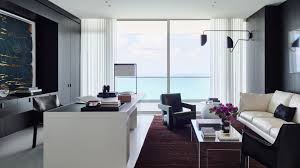
Miami’s urban landscape has transformed rapidly over the past decade. With the rise of high-rise condos, mixed-use developments, and densely populated neighborhoods, the way people live-and furnish their homes-has evolved significantly. Urban living in Miami is no longer just about location; it’s about adapting to a lifestyle that prioritizes efficiency, flexibility, and comfort within limited space.
As a result, furniture needs are changing in ways that reflect both the physical environment and the daily routines of city residents.
The Rise of High-Density Living
One of the most noticeable changes in Miami is the increase in high-density housing. More people are living in apartments and condos, often with smaller floor plans compared to traditional homes.
This shift has led to a greater demand for furniture that:
- Fits comfortably in compact spaces
- Maximizes functionality without overcrowding
- Maintains a sense of openness
Residents are becoming more selective, choosing pieces that enhance their living space rather than fill it unnecessarily.
Multi-Functional Living Spaces
Urban living often requires a single room to serve multiple purposes. In many Miami homes, the living room may also function as a workspace, dining area, or entertainment zone.
This has driven the popularity of multi-functional furniture, such as:
- Sofa beds for hosting guests
- Expandable tables for dining and work
- Storage units that double as decorative elements
These pieces allow residents to transition بسهولة between different activities without needing separate rooms for each function.
The Importance of Space Efficiency
In a city where space is at a premium, efficient use of every square foot is essential. Furniture choices are increasingly influenced by how well they contribute to an organized and uncluttered environment.
Key considerations include:
- Vertical storage solutions like shelving
- Compact furniture with slim profiles
- Pieces that can be folded or tucked away when not in use
This focus on efficiency helps create a more comfortable and livable space, even in smaller homes.
Mobility and Ease of Relocation
Miami’s urban population is highly mobile, with many residents moving between neighborhoods or upgrading their living situations over time. This mobility affects how people choose furniture.
Items that are easy to move, assemble, and reconfigure are often preferred. Lightweight designs and modular furniture make transitions smoother, reducing the effort involved in relocating.
This practicality aligns with the dynamic nature of urban living.
Blending Style with Functionality
While practicality is essential, Miami residents still value aesthetics. The city’s design-forward culture encourages people to create spaces that are both functional and visually appealing.
Urban furniture trends often feature:
- Clean lines and modern designs
- Neutral color palettes that enhance natural light
- Minimalist styles that reduce visual clutter
This balance allows residents to enjoy both comfort and style within their homes.
Adapting to Remote Work and Digital Lifestyles
The rise of remote work has further influenced furniture needs in Miami’s urban settings. Many residents now require dedicated workspaces within their homes, even if space is limited.
This has led to increased demand for:
- Compact desks that fit into small areas
- Ergonomic chairs for extended use
- Flexible setups that can be adjusted throughout the day
Furniture must now support productivity as well as relaxation, adding another layer of functionality to urban living.
Access to Local Resources and Trends
As furniture needs evolve, many Miami residents turn to local resources to stay informed about available options and trends. For instance, browsing this Miami-based furniture site can provide insight into how furniture choices are adapting to urban living conditions.
These resources help residents make decisions that align with both their space constraints and lifestyle preferences.
Minimalism and Clutter Reduction
Urban living often encourages a minimalist approach to home design. With limited space, excess furniture can quickly make a home feel cramped.
As a result, many residents focus on:
- Keeping only essential items
- Choosing furniture with multiple uses
- Maintaining clean and organized layouts
This approach not only improves the look of a space but also enhances overall comfort and functionality.
Sustainability and Conscious Choices
Another emerging trend in Miami’s urban furniture landscape is sustainability. Residents are becoming more mindful of their purchases, choosing items that are durable and environmentally responsible.
This includes:
- Investing in long-lasting furniture
- Avoiding disposable or short-term pieces
- Repurposing or reusing existing items
Sustainable choices align well with the practical mindset of urban living.
A New Approach to Home Design
Ultimately, Miami’s urban lifestyle is redefining what people expect from their homes. Furniture is no longer just about filling a space-it’s about enhancing how that space is used.
Residents are making more intentional decisions, focusing on pieces that support their daily routines and adapt to their changing needs.
Conclusion
Urban living in Miami is reshaping furniture needs in profound ways. From compact designs and multi-functional pieces to flexible layouts and minimalist approaches, residents are adapting to a lifestyle that values efficiency and practicality.
As the city continues to grow and evolve, these trends will likely become even more pronounced, reflecting a modern approach to home design that prioritizes both form and function.