
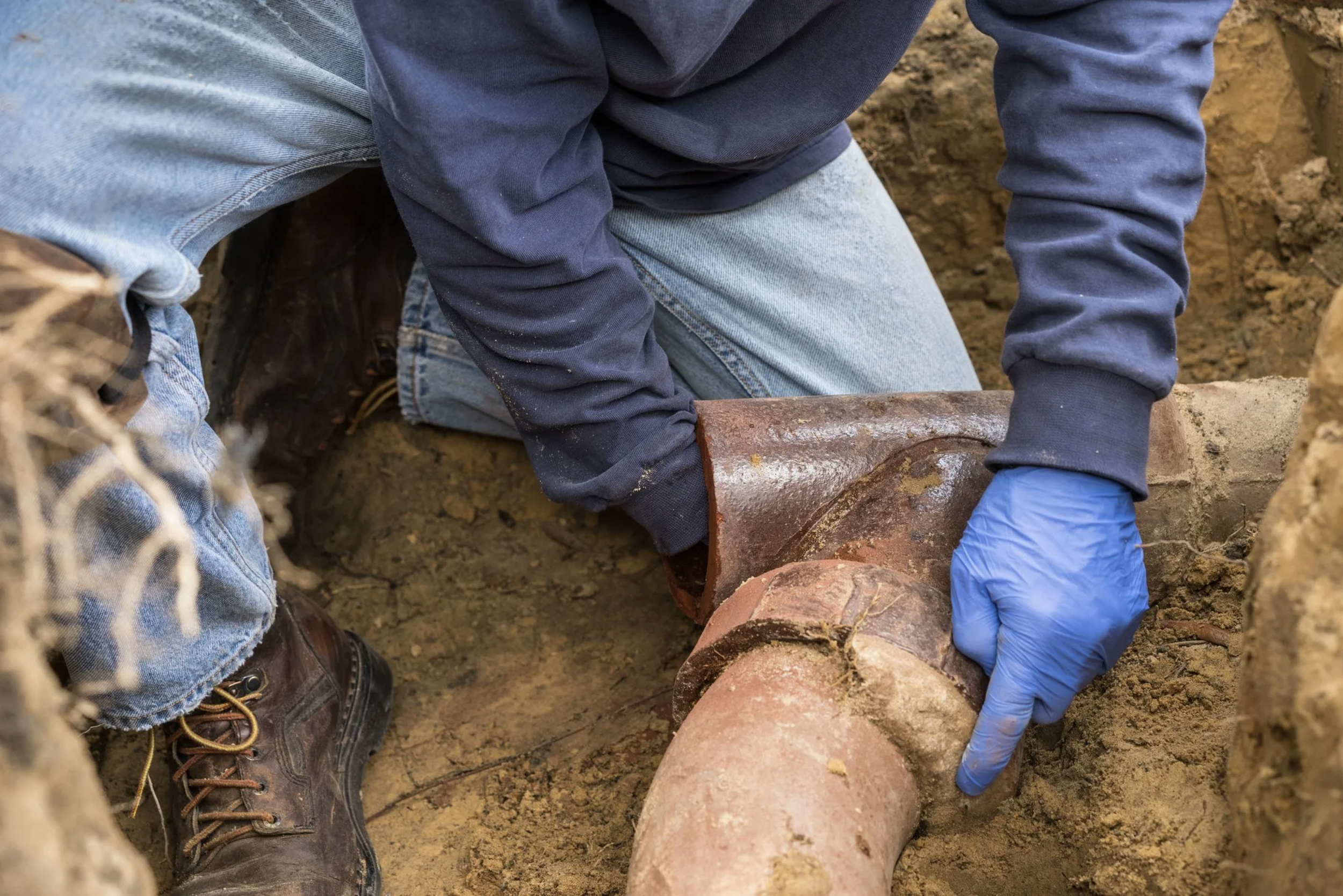
In Twin Falls, Idaho, where the Snake River shapes our scenic landscape, homeowners face unique challenges with sewer lines due to the region’s clay-heavy soils and freeze-thaw cycles. These factors can lead to pipe shifts, cracks, and backups that disrupt daily life. Understanding sewer line repair and maintenance is crucial for preventing costly emergencies and safeguarding property.
Visit this site for expert local guidance on plumbing solutions customized for Twin Falls’ conditions, including inspections and emergency services that keep your home running smoothly.
Common Sewer Line Issues in Twin Falls
Sewer lines in the area endure harsh winters and expansive soils, leading to frequent problems. Homeowners often notice slow drains, gurgling toilets, or foul odors signaling trouble. Tree roots infiltrate joints, while ground shifts from irrigation common in Magic Valley agriculture exacerbate cracks. Addressing these early prevents sewage backups that could damage foundations or contaminate yards.
Sewer Line Repair Methods
When issues arise, Twin Falls plumbers use proven techniques suited to our geology. Traditional excavation digs up yards for pipe replacement, ideal for severely damaged lines but disruptive. Modern trenchless options, like pipe lining and bursting, minimize digging-perfect for preserving lawns near the Perrine Bridge trails.
Key repair approaches include:
- Cured-in-place pipe (CIPP) lining: Inserts a resin-soaked liner into the old pipe, inflating and curing it to form a seamless new pipe inside the existing one.
- Pipe bursting: Breaks the old pipe while pulling a new one through, effective for collapsed lines without full excavation.
- Spot repairs: Targets isolated cracks with localized digs, common for root intrusions.
Costs in Twin Falls range from $50-$150 per foot for trenchless methods, versus $100-$250 for full digs, depending on depth and access.
Maintenance Tips to Extend Sewer Line Life
Proactive care keeps Twin Falls sewer systems reliable amid our variable climate. Regular habits reduce buildup and stress on aging pipes, many installed decades ago during the area’s postwar boom.
Essential maintenance steps:
- Schedule professional inspections every 2-3 years using sewer cameras to spot early cracks or roots; vital before winter freezes.
- Flush lines monthly with hot water and baking soda to dissolve grease; avoid chemical drain cleaners that corrode pipes.
- Plant trees at least 10 feet from sewer paths, respecting our riparian zones along the Snake River.
- Install cleanouts for easy access during cleanings, a smart upgrade for older homes in historic downtown Twin Falls.
- Monitor for red flags like multiple slow drains or sewer smells, acting fast to prevent overflows.
These steps can add 20-30 years to pipe lifespan, saving thousands in Twin Falls’ rising repair market.
DIY Checks vs. Professional Help
Twin Falls residents can perform basic checks, like running water in all fixtures to test flow. However, leave diagnostics to pros equipped for our hard water and soil challenges. Certified local plumbers use hydro-jetting to blast debris without chemicals, safer for septic-adjacent properties.
When to Call for Emergency Repair
Act immediately if sewage backs up into drains, overflows toilets, or pools on your lawn, issues spiking after Twin Falls’ heavy spring melts from Snake River snowpack. These signs indicate blockages or breaks that demand urgent attention to halt spreading contamination.
In our area, delays heighten health risks like E. coli exposure, potentially sickening families. Local 24/7 emergency services use advanced tools for overnight resolutions, minimizing yard disruption and restoring flow swiftly.
Takeaway
In Twin Falls, prioritizing sewer line repair and maintenance protects your home investment against local environmental stresses. By staying vigilant with inspections, smart habits, and timely repairs, you ensure reliable plumbing for years. Consult local experts today to safeguard your property and enjoy worry-free living in our vibrant community.