
Introduction
Air conditioning systems play a vital role in maintaining indoor comfort, improving air quality, and keeping homes cool during periods of extreme heat. However, even well-maintained units can develop problems over time, leading to weak airflow, rising energy bills, uneven cooling, or complete system breakdowns. Understanding basic air conditioner troubleshooting tips can help homeowners identify common HVAC issues early and avoid expensive repairs. From clogged air filters and frozen evaporator coils to thermostat malfunctions and restricted airflow, many cooling problems begin with small warning signs that are often overlooked.
Learning how to inspect and maintain your system properly can improve energy efficiency, extend equipment lifespan, and reduce unnecessary strain on critical components. While some situations require professional assistance from AC repair experts, routine maintenance and early troubleshooting can help homeowners keep their air conditioning systems operating reliably throughout the warmer months.
Check the Thermostat First
One of the most common causes of air conditioner problems is also one of the simplest to fix. Before assuming there is a major fault, check the thermostat settings carefully. Sometimes the thermostat may accidentally be switched to “heat” instead of “cool”, or the temperature setting may not be low enough to activate the system.
If your thermostat uses batteries, weak batteries can also prevent it from functioning properly. Replacing them is a quick and inexpensive solution that often restores normal operation. Smart thermostats may occasionally lose connection after a power interruption, so resetting the system can also help.
A faulty thermostat can create the impression that the entire cooling system has failed, even when the actual air conditioner is working correctly.
Inspect the Air Filter
Dirty air filters are responsible for many avoidable air conditioning problems. Over time, filters collect dust, pollen, pet hair, and other airborne particles. When airflow becomes restricted, the system must work harder to cool the home effectively.
Reduced airflow can lead to several issues, including:
- Weak cooling performance
- Higher electricity bills
- Frozen evaporator coils
- Increased indoor dust
- Uneven temperatures between rooms
Most manufacturers recommend checking filters every month during periods of heavy use. In many homes, replacing the filter every one to three months helps maintain proper airflow and system efficiency.
Homeowners who ignore filter maintenance often end up needing assistance from AC repair experts because the strain on the system eventually causes larger mechanical problems.
Look for Frozen Evaporator Coils
If your air conditioner is running but not cooling properly, frozen evaporator coils may be the cause. Ice can form when airflow becomes restricted or when refrigerant levels are too low. You may notice ice around the indoor unit or visible moisture near the system.
When coils freeze, the air conditioner cannot absorb heat effectively. Running the system continuously in this condition can damage important components.
To troubleshoot the issue:
- Turn the air conditioner off immediately
- Check and replace the air filter if necessary
- Allow the coils to thaw completely
- Ensure vents throughout the home remain open
- Restart the system after several hours
If freezing continues after these steps, professional inspection is usually required. Refrigerant problems and airflow restrictions often need specialized tools and training to diagnose safely.
Examine the Outdoor Unit
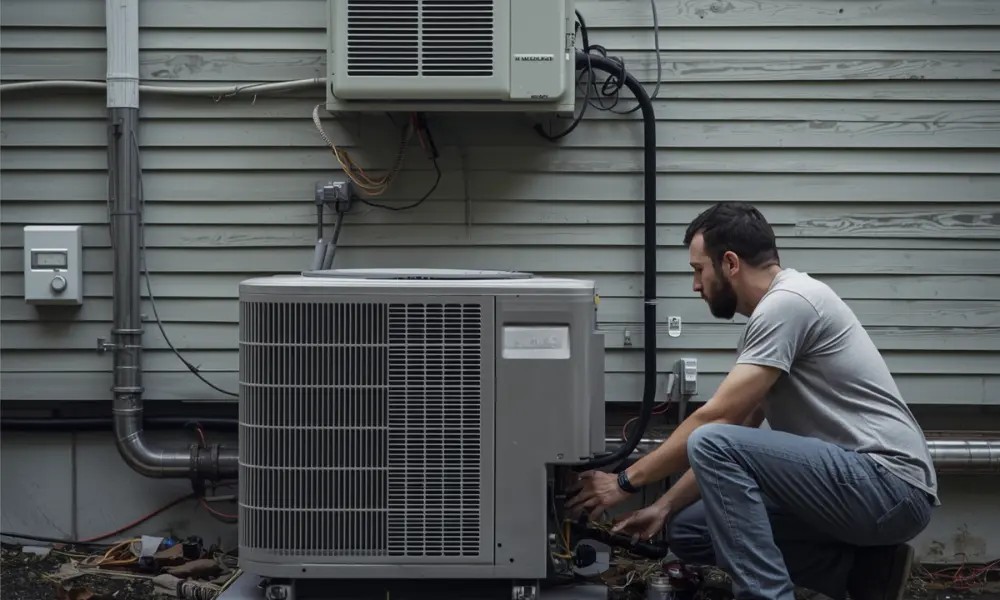
The outdoor condenser unit plays a critical role in releasing heat from the home. Because it sits outside, it can easily become blocked by dirt, leaves, grass, or debris. Restricted airflow around the condenser reduces efficiency and places extra stress on the system.
Walk around the outdoor unit regularly and inspect the surrounding area. Trim back plants and remove debris that may obstruct airflow. Gently rinsing the condenser coils with a garden hose can also help improve performance, although high-pressure washing should be avoided.
If the outdoor unit produces unusual sounds such as rattling, buzzing, or grinding, internal components may already be wearing out. In such cases, contacting experienced AC repair experts is often the safest option before the issue worsens.
Pay Attention to Strange Noises and Odours
Air conditioners normally produce a steady and relatively quiet sound while operating. Sudden or unusual noises often indicate developing problems.
Different sounds can suggest different issues:
- Banging noises may indicate loose or broken components
- Screeching sounds can point to belt or motor issues
- Clicking noises may involve electrical problems
- Hissing sounds could suggest refrigerant leaks
Odours should also never be ignored. A musty smell may indicate Mold growth inside the system or ductwork, while burning smells can signal overheating electrical components.
Early attention to these warning signs can prevent expensive repairs later.
Check for Airflow Problems Around the Home
Sometimes the issue is not the air conditioner itself but poor airflow inside the home. Closed vents, blocked ducts, or furniture placed directly in front of vents can reduce cooling performance significantly.
Walk through each room and confirm that vents remain open and unobstructed. Uneven cooling between rooms may indicate leaking ductwork or airflow imbalances within the system.
Older homes are particularly vulnerable to duct-related issues because seals and insulation can deteriorate over time. Poor airflow forces the air conditioner to run longer cycles, increasing both wear and energy consumption.
Watch for Rising Energy Bills
An unexplained increase in electricity costs often signals declining air conditioner efficiency. Even if the system still cools the home, hidden issues may already be developing.
Several factors can contribute to higher energy usage, including dirty coils, clogged filters, refrigerant problems, ageing components, or thermostat malfunctions. Monitoring monthly utility bills can help homeowners identify performance changes early.
Modern air conditioning systems are designed to operate efficiently when maintained properly. A sudden spike in operating costs usually means the system requires inspection or servicing.
Know When Professional Help Is Necessary
Basic troubleshooting can resolve minor issues, but some problems should always be handled by trained professionals. Electrical faults, refrigerant leaks, compressor failures, and damaged motors require specialist equipment and technical expertise.
Delaying professional repairs can often make problems worse and lead to more expensive replacements later. Regular servicing also helps extend the lifespan of the system and improves indoor comfort throughout the year.
Professional maintenance appointments typically include cleaning components, checking refrigerant pressure, inspecting electrical connections, and testing overall system performance.
Conclusion
Understanding basic air conditioner troubleshooting can help homeowners respond quickly when cooling problems appear. Simple tasks such as replacing filters, checking thermostat settings, and keeping outdoor units clean can significantly improve system performance and reduce the risk of major breakdowns. Paying attention to warning signs like unusual noises, frozen coils, poor airflow, or rising energy bills also allows problems to be identified before they become more serious.
While many minor issues can be handled with routine maintenance, some situations require professional expertise to ensure safe and effective repairs. Regular inspections and timely servicing help maintain energy efficiency, extend equipment lifespan, and improve indoor comfort during warmer months. By staying proactive and recognising early warning signs, homeowners can keep their cooling systems running more reliably throughout the year.