
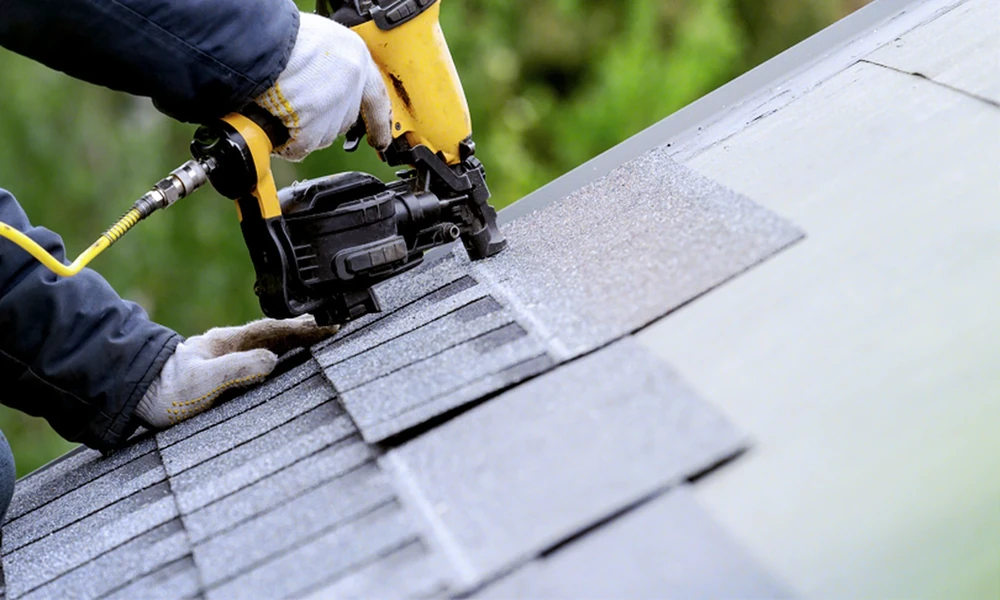
The roof is arguably the most important structure in your home. Like any other feature, it has a fixed lifespan and needs replacement after it has completed its useful service life. Age is generally a reliable indicator of the ideal time for replacing residential roofing. Still, there are many other signs that tell you when an early replacement is needed.
Here are 6 indicators that tell you it may be time to replace your roof.
1. Aged Roof
If your roof is nearing or has exceeded its known service life, it may be time to consider a replacement. For example, if your asphalt shingle roof is 20 years or older, you should get its condition professionally evaluated.
Different roofing materials show age in different ways. While damage and major leaks are clear indicators, granule loss, brittleness, and fading can also mean that a decades-old roof may need replacing. Even if you are unsure when your roof was installed or don’t have its maintenance history, an inspection from a roofing contractor can help you achieve peace of mind.
2. Sagging Roof
A sagging roof is a clear sign of structural damage with the decking or supports and warrants a replacement. You cannot afford to leave this problem unattended, as it increases the chances of a collapse. Some of the common causes of sag include:
- Prolonged presence of weight from snow or ice
- Prolonged exposure to moisture
3. Curled or Missing Shingles
You should never take curling or missing shingles lightly. They are clear indicators that your roof has deteriorated. If significant numbers of shingles are buckled, curled, or missing, your roof may need replacement. Shingles are designed to protect residential roofing from various forms of weather-based damage. If not addressed in time, these problems can lead to leaks and other damage.
4. Major Leaks & Water Damage
Major leaks and water damage inside your home can mean that the roof’s protective layer has become ineffective. Some of the common early signs of water intrusion from the roof include:
- Damp spots in your attic
- Paint is starting to peel
- Ceiling stains
Timely action can often help prevent the need for roof replacement. However, if there are frequent leaks or signs of significant water damage, your roof may need immediate replacement.
5. Presence of Granules in Gutters
The granules on asphalt shingles are meant to protect your roof from the damaging effects of UV rays. Gradually, these granules wear off. If you see significant granule presence in the gutters, it may indicate that your shingles have reached the end of their service life. In such a situation, only a replacement can restore the protective properties of your roof.
6. Unexplained Increase in Energy Bills
A sudden and unexplained increase in energy bills can be attributed to a number of problems in your home. A deteriorating roof can have a significant impact on insulation and ventilation. This can cause the HVAC system to work harder to maintain the desired temperature.
Old residential roofing can also contribute to reduced energy efficiency as it fails to reflect sunlight effectively. This can cause heat buildup in the attic in the summer months. On the other hand, worn-out insulation and gaps can allow warm air to escape in the winter months.
So, these are some of the most common signs that it is time to replace your roof. A new roof can not only improve your home’s appearance, but it can also increase energy efficiency, reduce utility bills, and add to your home’s equity. If you notice any of these signs, you should get your roof inspected by a roofing contractor.