
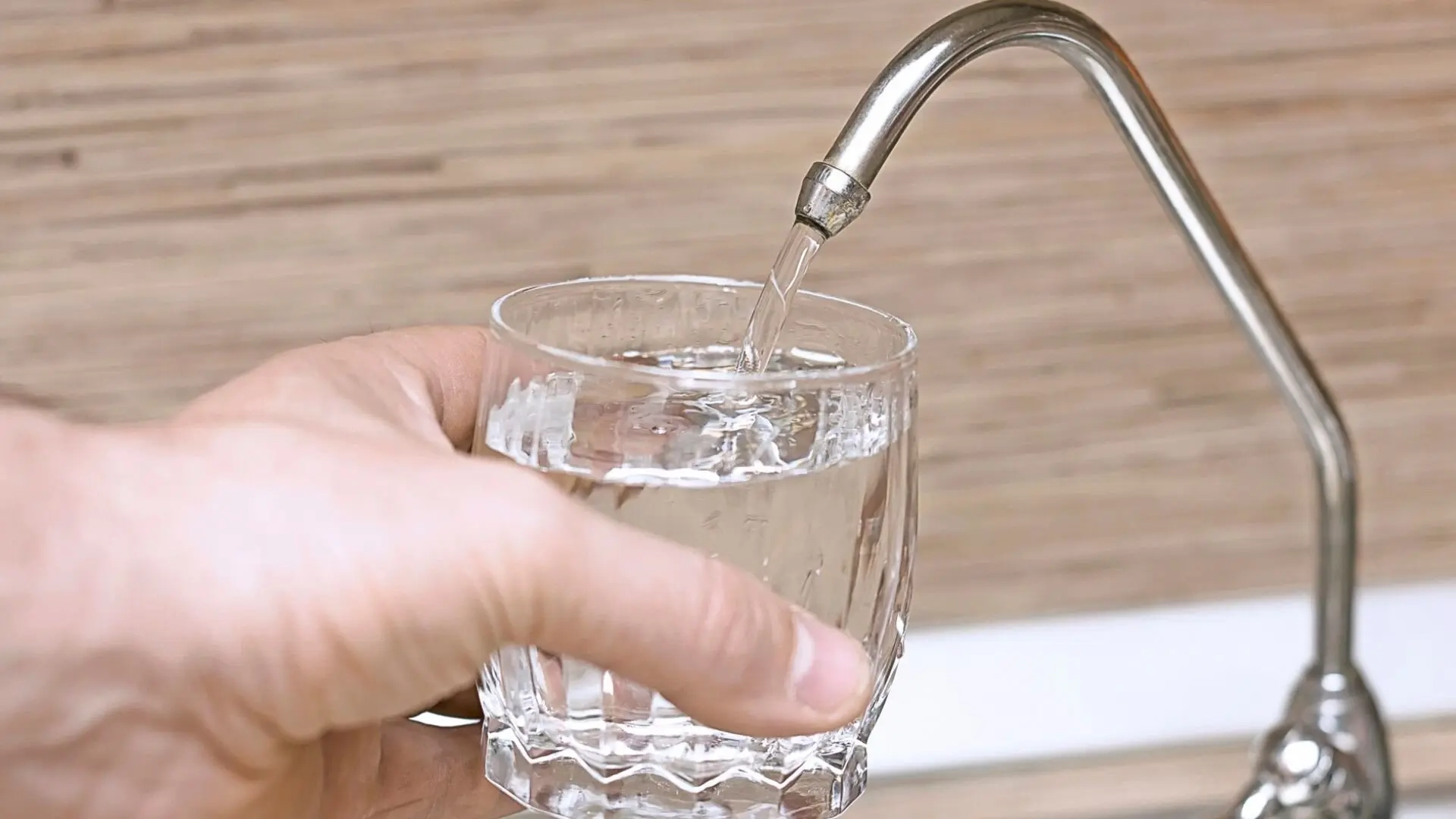
Water flows through the veins of every modern household. However, the quality of this liquid affects your entire living space. Impure water carries minerals and tiny particles. These elements create significant challenges for various household systems. Many homeowners ignore the invisible chemistry within their pipes. But the impact on efficiency remains quite real. Clean drinking water provides a baseline for a healthy domestic environment. Understanding this connection helps you maintain a functional home.
Mineral Build-up in Pipes Slows Essential Water Flow
Water supplies often contain calcium and magnesium. Minerals settle in copper and plastic pipelines. Now the inner diameter of the plumbing begins to shrink. This process reduces the overall pressure throughout the house. Sometimes the water flow becomes a weak trickle. The pumps must work much harder to move the liquid. You will notice the difference during a morning shower. But the problem goes far beyond simple convenience issues. Narrow pipes force the entire system to labor under stress. This constant strain leads to premature leaks and bursts.
Hard Water Makes Appliances Use More Power
The heating elements in the dishwasher have a hard time with thick scale. The coils are protected from the water by white crusty coatings. The machine needs additional power to get to the right temperature. At the end of each month, your utility costs are greater. This hefty mineral build-up also hurts the water heater. At the bottom of the big tank, sediment builds up. It makes a strong wall between the flame and the liquid. The heater now runs for extended periods of time. This wasting of natural gas is a big problem. The machine’s performance goes down while energy expenses go up.
Aggressive Contaminants Shorten the Lifespan of Modern Machines
Corrosive elements in the water eat away at rubber seals. Small gaskets inside the laundry machine begin to crack. The delicate internal parts face constant chemical friction. You might find yourself replacing expensive units every five years. The mechanical components fail due to the harsh environment. Sometimes the metallic surfaces develop deep pits and rust. These issues lead to catastrophic floods in the laundry room. Investing in better water saves your expensive technology.
Cleaning Agents Are Less Effective Due to Chemical Residue
Soap does not lather well in water filled with minerals. You must use much more detergent to clean clothes. The chemical reaction between soap and hard water creates scum. This sticky residue clings to the fibers of your towels. Now the fabrics feel stiff and look quite dull. You spend more money on extra cleaning products. But the results rarely meet your high standards. Dishes often come out of the washer with spots. The cloudy film makes the glassware look very dirty. High water quality ensures that every soap works perfectly.
Conclusion
Filtered water protects the integrity of your home infrastructure. It prevents the slow destruction of your valuable assets. You enjoy a more comfortable and predictable lifestyle. The machines operate quietly and perform at peak levels. Lower energy usage helps the environment and your wallet. Maintenance tasks become much simpler for the average person. You avoid the stress of sudden mechanical failures. Long term savings grow as the appliances endure for years. The overall value of the property stays quite high. Healthy water remains the foundation of a successful home.