
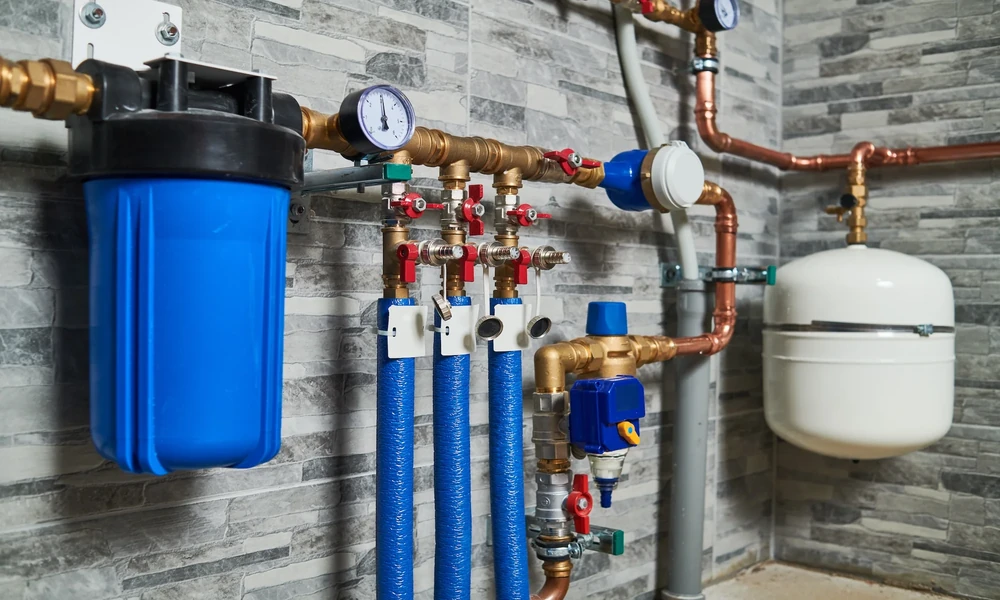
Hard water is a common concern for many households, particularly in areas where water contains high levels of calcium and magnesium. While these minerals are naturally occurring, they can contribute to scale build-up, reduce appliance efficiency, and create ongoing cleaning challenges throughout the home.
Many homeowners consider installing a water softener system. Before investing, it is important to understand how water softeners work, what factors influence performance, and how to determine if a system suits your household.
Why Homeowners Install Water Softeners
Hard water can affect both household comfort and the condition of plumbing systems over time. Mineral deposits can accumulate inside pipes, water heaters, washing machines, and other appliances that regularly use water.
Common signs of hard water include:
- White scale deposits on taps and fixtures
- Soap scum on shower screens and tiles
- Reduced soap and detergent effectiveness
- Dry skin and dull hair after bathing
- Reduced efficiency of hot water systems
- Increased appliance maintenance requirements
Many homeowners install water softeners to help reduce these issues and improve overall water performance throughout the home.
How Water Softener Systems Work
Most residential water softeners use a process known as ion exchange. During this process, hard water passes through a resin tank that captures calcium and magnesium minerals.
As the hardness minerals are removed, the system releases sodium or potassium ions into the water. This process produces softer water that is less likely to create scale build-up in plumbing and appliances.
Over time, the resin becomes saturated and requires regeneration. During regeneration, a salt solution flushes accumulated minerals from the resin, restoring its ability to continue softening water.
Factors to Consider Before Buying
Not all water softeners are suitable for every household. Evaluate several factors before selecting a system, including water hardness, household size, water usage, installation space, and maintenance requirements.
Water Hardness Level
The severity of your hard water problem will influence the type and size of system required. Water testing is often recommended before purchasing a softener.
Household Size
The number of people living in the home affects daily water consumption. Larger households typically require systems with greater capacity.
Water Usage Patterns
Homes with high water demand may need systems capable of handling greater flow rates and more frequent regeneration cycles.
Available Installation Space
Water softeners require adequate space for installation, particularly salt-based systems that include a separate brine tank.
Maintenance Requirements
Different systems require varying levels of maintenance. Understanding these requirements before purchasing can help avoid unexpected operating costs.
Types of Water Softener Systems
Several water softener options are available for residential use.
Salt-based water softeners remain the most common and are often considered the most effective solution for removing hardness minerals by exchanging them for sodium or potassium ions.
Dual-tank softeners provide continuous access to softened water by allowing one tank to regenerate while the other remains operational, helping distinguish them from single-tank systems.
Salt-free conditioners are another alternative. These systems help reduce scale formation but do not remove calcium and magnesium from the water, which sets them apart from traditional softeners.
The most suitable system depends on your household’s water quality, treatment objectives, and the factors outlined above.
Common Buying Mistakes
Many homeowners purchase a water softener without first testing their water. This can result in choosing a system that is either undersized or unsuitable for the actual hardness level.
Another common mistake is focusing solely on the purchase price. While upfront cost is important, long-term operating expenses, maintenance requirements, and system efficiency should also be considered.
Some homeowners also overlook future household needs. Changes in family size or water usage may affect the performance requirements of a water softening system over time.
Benefits of Choosing the Right System
A properly selected water softener can provide several long-term benefits.
These often include:
- Reduced scale build-up throughout the home
- Improved appliance efficiency
- Better soap and detergent performance
- Softer-feeling skin and hair
- Lower maintenance costs for plumbing systems
- Extended lifespan of household appliances
These advantages can contribute to both household comfort and long-term cost savings.
Making an Informed Decision
Choosing a water softener involves more than selecting a product from a catalogue. Compare water hardness, household size, water usage, installation space, and maintenance to find the best system.
If you are comparing available options, this guide on How to Choose A Water Softener System for A Household provides additional information on system sizing, water hardness testing, and selecting the most suitable solution for your home.
Conclusion
Water softener systems help address hard water problems and protect plumbing and appliances from mineral build-up. Selecting the right system requires careful consideration of your household’s water conditions, usage, installation space, and maintenance needs.
By understanding the types of systems and evaluating your water quality before purchase, you can make a more informed decision and enjoy the long-term benefits of softened water. Use these steps to choose the system that best suits your household.