
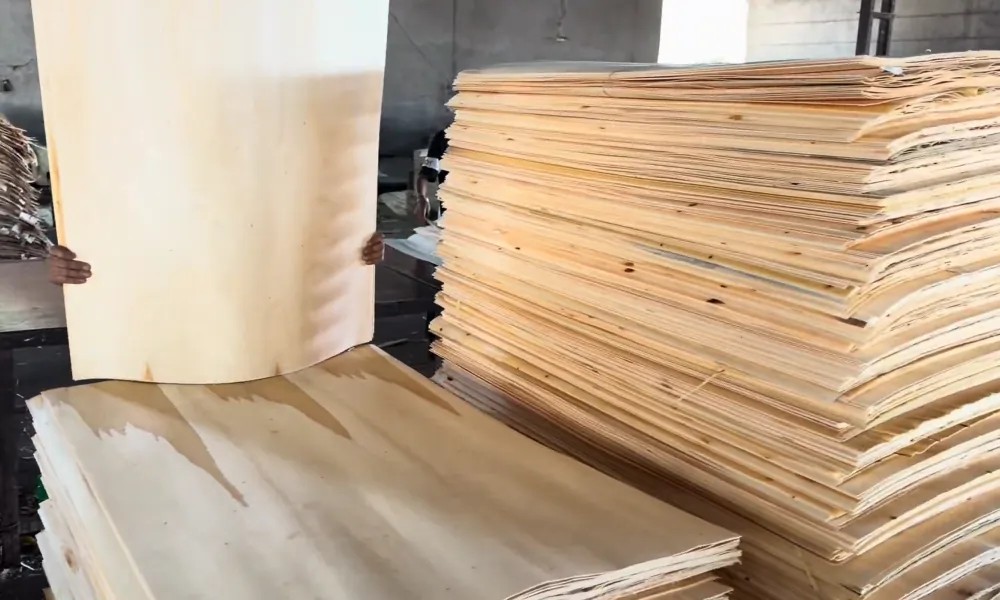
When designing interiors for areas exposed to moisture, choosing the right material is crucial. Boiling Waterproof (BWP) plywood has become a practical and reliable solution for such environments due to its superior water resistance and durability.
But what makes BWP plywood ideal for moisture-resistant designs? Let’s break it down in a simple and practical way.
What Makes BWP Plywood Suitable for Moisture-Prone Areas?
BWP plywood is manufactured using high-quality hardwood veneers bonded with waterproof adhesives. This construction allows it to resist water penetration and maintain its strength even in humid or wet conditions.
Its ability to perform under moisture exposure makes it a preferred choice for both residential and commercial interiors.
Why BWP Plywood Works Best for Moisture-Resistant Designs
1. Excellent Water Resistance
plywood is designed to withstand prolonged exposure to water, including boiling conditions. This makes it ideal for spaces where moisture is unavoidable.
2. Strong Bonding That Prevents Delamination
The use of high-grade adhesives ensures that the layers remain intact even when exposed to humidity. This prevents issues like peeling or layer separation.
3. Stability in Humid Conditions
BWP plywood maintains its shape and structure despite fluctuations in temperature and moisture. It is less likely to swell, warp, or crack over time.
4. Durable and Long-Lasting
Its strong construction ensures a longer lifespan compared to regular plywood. This reduces maintenance needs and increases reliability in moisture-heavy areas.
5. Protection Against Termites and Fungal Growth
BWP plywood is often treated to resist termites, borers, and fungi that thrive in damp environments, ensuring better longevity.
Where to Use BWP Plywood in Moisture-Resistant Designs
BWP plywood is ideal for applications such as:
Modular kitchens
Bathroom cabinets and vanities
Utility areas and wash spaces
Wall paneling in humid zones
Outdoor or semi-exposed furniture
Its versatility makes it suitable for various moisture-prone design elements.
Why Designers Prefer BWP Plywood
Designers choose BWP plywood because it combines functionality with aesthetics. It allows them to create moisture-resistant interiors without compromising on finish or design quality.
It also supports modern interior trends like modular kitchens, sleek finishes, and durable materials.
Key Factors to Check Before Buying
To ensure you select high-quality BWP plywood, always check for:
ISI Certification (IS:710)
Boiling water resistance test results
High-density hardwood core
Uniform thickness and calibration
Termite and borer resistance
These factors ensure better performance in moisture-prone conditions.
Final Verdict
BWP plywood is a practical choice for moisture-resistant designs because it offers excellent water resistance, durability, and structural stability. It is built to perform in environments where regular plywood may fail.
Although it may involve a higher initial cost, its long-term reliability and reduced maintenance make it a smart investment for moisture-prone interiors.