
Key Takeaways
- Mould begins colonising damp areas within 24 to 48 hours, requiring rapid extraction to maintain air quality.
- Surface cleaning does not resolve water trapped in building voids; professional moisture meters are necessary to verify dryness.
- Professional-grade dehumidification can often salvage built-in carpentry if the intervention occurs shortly after the initial flooding.
Introduction
Homeowners in Singapore often underestimate the speed at which flash floods or internal pipe bursts degrade a property. In a high-humidity environment, moisture migrates into porous materials such as drywall, skirting boards, and parquet flooring within minutes, triggering structural weakening and material swelling. Effective flood damage cleanup requires a strict adherence to a biological timeline, as stagnant moisture facilitates fungal growth behind built-in fixtures in as little as 24 hours. Professional intervention addresses trapped moisture that standard cleaning methods cannot reach. Individuals can follow a structured approach to property restoration and long-term asset protection when they know the technical phases of recovery.
1. Safety Assessment and Bulk Liquid Extraction
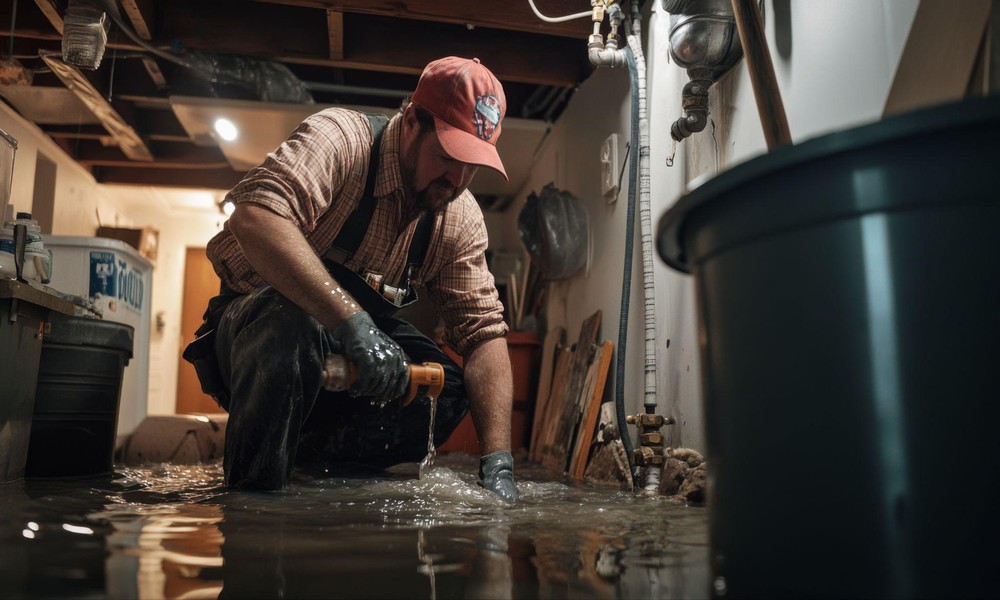
The initial phase of flood damage cleanup prioritises the mitigation of immediate hazards, such as electrical conductivity and biological contaminants from runoff. Professional teams begin by isolating power sources and utilising industrial-grade pumping equipment to remove standing water from the premises. This stage also includes a comprehensive survey to document the saturation levels for insurance purposes, ensuring a factual basis for claims. While removing visible water prevents further soaking of furniture and appliances, it serves only as the preliminary step in a multi-phase process. Once bulk extraction is complete, the focus shifts to the saturation levels held within the building’s structural components.
2. Atmospheric Stabilisation via Dehumidification
Following liquid removal, the air within the property remains saturated, which poses a secondary risk of mould proliferation. In Singapore, standard ventilation proves insufficient to dry a structure because it simply recirculates damp air. Professionals employ high-velocity air movers and industrial-strength dehumidifiers to extract water molecules from the environment. This atmospheric control is a critical component of flood damage cleanup, as it reduces relative humidity to levels that inhibit fungal growth. Constant operation of this equipment for several days ensures that moisture within concrete and timber evaporates completely, protecting soft furnishings and leather goods from permanent odour absorption.
3. Structural Moisture Mapping and Targeted Drying
Effective flood damage repair must address the water trapped in wall cavities and sub-flooring to prevent long-term rot. Technicians utilise infrared cameras and moisture meters to create a precise map of hidden dampness behind carpentry and wardrobes, which identifies whether specific materials, such as saturated drywall, require removal to allow internal studs to ventilate. Precision in this phase prevents the error of applying surface finishes over trapped moisture, which typically results in paint bubbling and structural decay later. By mapping the exact path of the water, the restoration plan ensures that the drying process is comprehensive rather than superficial.
4. Decontamination and Odour Neutralisation
Floodwater frequently introduces pathogens and bacteria into the domestic environment, necessitating a rigorous sanitisation protocol. After the drying phase, all affected surfaces undergo treatment with antimicrobial solutions to ensure the site is safe for habitation. This stage of the flood damage cleanup also targets the neutralisation of musty odours trapped in porous materials. Professionals use hydroxyl machines or ozone generators to break down odour molecules at the molecular level, ensuring that the air quality is restored rather than merely masked with fragrance. Proper decontamination verifies that the home is biologically stable and free from invisible environmental hazards.
5. Structural Reconstruction and Final Repair
The final stage focuses on returning the property’s aesthetic and structural elements to their pre-loss state. This phase of flood damage repair includes the replacement of skirting boards, the re-laying of flooring, and the repair of swollen cabinetry. Because the preceding phases established a fully dry foundation, new materials are at lower risk of future warping or mould growth from the base up. Professionals manage the coordination of various trades, including carpentry and electrical work, to finalise the restoration. This structured approach ensures that the property value is maintained and the structure is resilient against the long-term effects of water intrusion.
Conclusion
Technical recovery from water intrusion demonstrates that the initial response window dictates the long-term health of the property. When a flood occurs, the objective shifts from simple cleaning to a systematic process of moisture extraction, sanitisation, and structural drying. Addressing the damage through professional channels ensures that every hidden pocket of moisture is eliminated before the reconstruction phase. By following a methodical approach, homeowners can prevent temporary accidents from developing into permanent structural liabilities, as a successful restoration results in a property that is both biologically safe and structurally sound.
Contact BELFOR and find out what to expect from flood damage repair from a professional.