
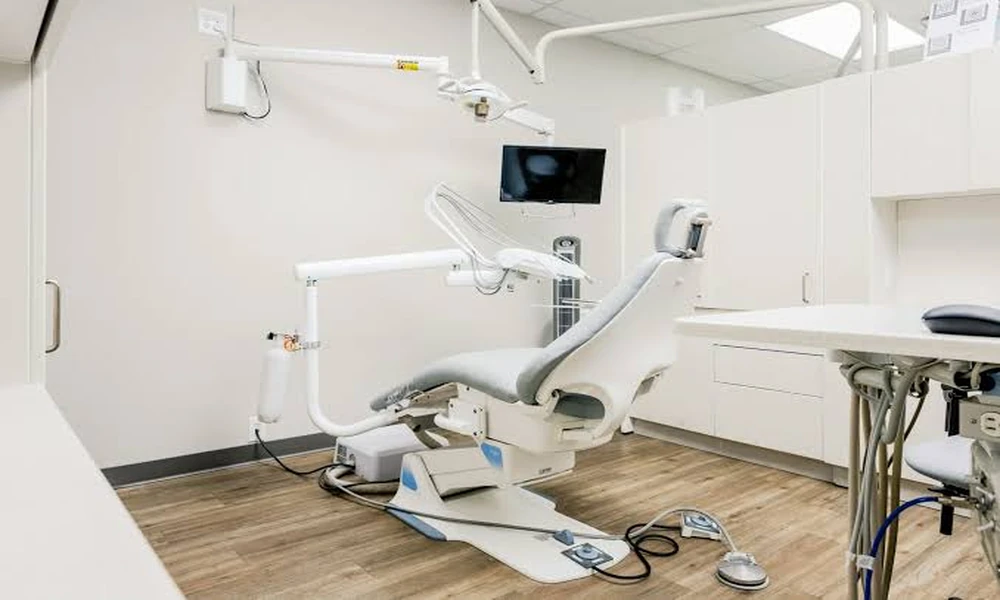
Choosing the right commercial property is one of the most important decisions made by any dentist in their career. While general commercial properties have basic requirements, a dental clinic needs special plumbing and electrical capacity. Failing to evaluate all the technical aspects and signing the lease can result in overspending on construction works.
To ensure that a chosen location is going to fit your practice, physicians must perform due diligence on both the physical property and its lease terms. To review specialized commercial properties and build-out options, you can see site for details that outline dedicated clinical spaces.
Technical Infrastructure and Plumbing Requirements
Dental clinics depend heavily on the underlying mechanical systems. It is necessary to check whether your building will be able to meet all the utilities that modern clinical care requires.
- Underfloor Plumbing: Each clinical area needs to have its own water lines, drain lines, and vacuum lines that will be put underground.
- Electrical Capacity: Special equipment requires high voltage panels and surge protection.
- Mechanical Ventilation: Specialized suction system and waste disposal lines require isolated utility rooms with noise-proofing and ventilation.
Zoning, ADA Compliance, and Space Feasibility
Ensure that the property is zoned for the medical/dental operation before finalizing an agreement. The building layout should be ADA-compliant as well.
- ADA Accessibility: Corridors, entrance doors, and washrooms need to be easy to access by wheelchairs and emergency medical staff.
- Parking Ratio: Make sure that there are enough places in the parking lots for overlapping patients’ visits and clinic staff.
- Right to Signage: Ask about rights to install a sign of the dentist’s office (storefront or monument).
Essential Lease Provisions That Every Dentist Should Negotiate
The standard commercial lease is always heavily skewed towards landlords. Health care professionals require certain legal considerations to ensure their practice continuity and value. Whenever selecting a location, the practice owner should take time to see site listings and guides that provide a regional comparison benchmark.
| Lease Provision | Standard Commercial Terms | Recommended Dental Practice Terms |
|---|---|---|
| Tenant Improvement (TI) | Minimal cash allowance | Substantial allowance per square foot for clinical build-outs |
| Exclusive Use Clause | None | Prohibits landlord from leasing space to competing dental practices |
| Rent-Free Period | 30 to 60 days | 120+ days (covers construction and health board permits) |
| Lease Assignment | Landlord retains full veto power | Unreasonable consent withheld during practice sales or transfers |
Comparing Second Generation Suites Against Shell Spaces
Dentists normally decide between second generation dental offices and shell spaces. Both have their own financial and practical implications.
- Second Generation Suites: These spaces come with preexisting plumbing and vacuum lines and operational designs. They reduce costs of construction but the old equipment might require costly renovations.
- Shell Spaces: These spaces allow designing an ideal workflow process. However, trenching the concrete floor for plumbing and installation of new HVAC systems involve heavy investments.
Strategic Location Identification and Demographic Analysis
Even a well-designed clinic cannot survive without patients. Understanding of market dynamics is required to ensure continuous flow of patients.
- Select the locations where there is good income among the local households and demographics.
- Find out the level of competition by determining the dentist-to-resident ratio.
- Select the clinics that are located near the retail locations or commuter roads.
Final Due Diligence Before Execution
Do not put your signature on the lease agreement relying only on physical inspection of the location. Seek advice from health care real estate brokers, architects, and lawyers for an analysis of the lease agreement. Make sure that your construction plan matches the lease payment start date to prevent payment of rent prior to seeing your first patient.