
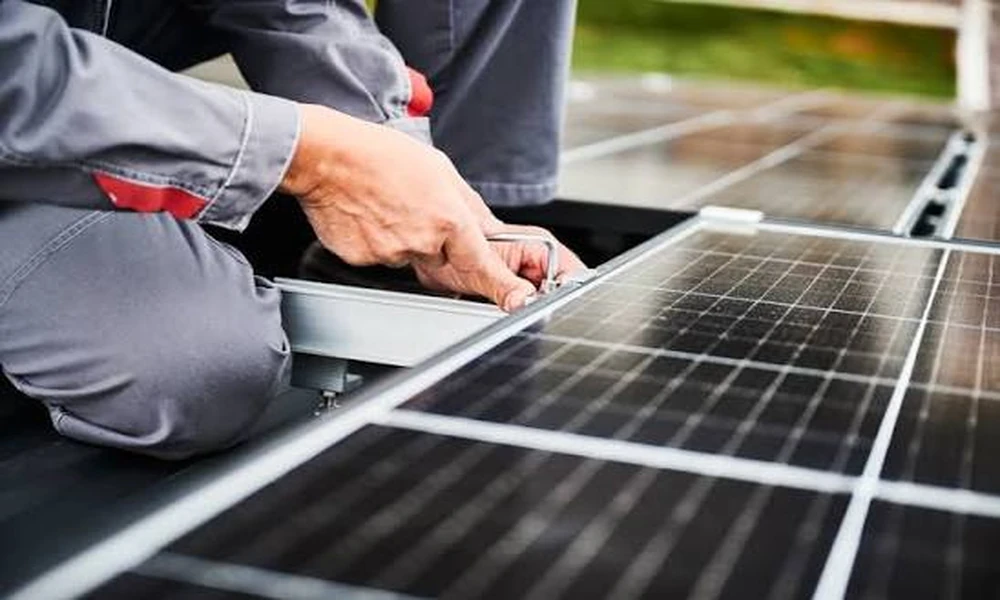
The usual picture of going solar is a matter of choosing panels and an inverter, then waiting for the bills to fall. In Singapore the equipment is the simple part. What determines whether a system performs for twenty years or more is the roof beneath it, the way the array is fixed, and the approvals needed before it can be connected. Anyone planning to install solar panel singapore should treat the project as roofing work and electrical work in equal measure.
Who Can Install a System
Rooftop solar is realistic for owners who control their own roof: landed houses, shophouses, factories, warehouses and commercial buildings. Flat owners in public housing cannot fit private panels, because the roof is common property and blocks are covered by government-led programmes. In condominiums the roof belongs to the management corporation, so any scheme needs collective approval. Establishing who owns and maintains the roof is the first step, before any supplier is asked to quote.
Assess the Roof Before the Panels
Panels are expected to stay in place for decades, so the surface under them must last as long. An installer should inspect the roof covering, the supporting structure and the drainage before designing anything. Clay and concrete tiles, metal sheeting and flat concrete roofs each behave differently. Ageing tiles, corroded sheets or a membrane close to the end of its life should be dealt with first, since lifting an array later to reach the roof is expensive.
Mounting Methods by Roof Type
On pitched tile roofs, brackets are fixed to the rafters and pass between tiles, which must be notched or replaced with flashed mounts to keep water out. Standing-seam metal roofs can take clamps that grip the seams without piercing the sheet. Trapezoidal metal roofs need sealed fixings through the crests. Flat concrete roofs often use ballasted or anchored frames, with care taken over the waterproofing membrane. Each method has structural and waterproofing implications that should be shown in the design.
Deal With Defects First
Every fixing through a roof is a potential leak, and an existing weakness will be harder to reach once panels cover it. It is sound practice to schedule any necessary roof repair before the array goes on: replacing cracked tiles, renewing flashings, treating rusted sheets, clearing gutters and repairing membrane defects. Some owners take the opportunity to re-roof entirely where the covering is near the end of its service life, which avoids paying twice for access and scaffolding.
Sizing the System
System size is limited by usable roof area, structural capacity and the household’s or business’s electricity consumption. A system matched to daytime demand gives the best return, as energy used on site offsets electricity that would otherwise be bought at the full tariff. Oversizing increases exports, which are usually credited at a lower rate. Ask for a yield estimate based on the actual roof layout, with assumptions stated, and ask how shading was taken into account.
Orientation, Tilt and Shading
Singapore sits almost on the equator, so the sun passes nearly overhead and panels perform well at a shallow tilt in most orientations. A modest slope is still needed for rain to wash dust away. Shading matters more than direction. Neighbouring buildings, trees, water tanks and parapets can cut output sharply, and a shadow on part of a string affects the rest unless optimisers or microinverters are used. A proper site survey should map shade across the day.
Electrical Approvals and Connection
A grid-connected system must be designed and commissioned under a licensed electrical worker, who submits the necessary applications to the grid operator and confirms that the installation meets the relevant electrical codes. Owners who export surplus electricity need the appropriate metering arrangement and, depending on system size and type of premises, registration with the energy regulator. Requirements change from time to time, so confirm the current process with the installer and check it against official guidance.
Maintenance After Installation
A solar array needs little attention, though it is not maintenance-free. Rain removes most dust, but bird droppings, leaves and construction grime can build up and reduce output, so periodic cleaning and a visual check are sensible. Monitoring software will show if a panel or string is underperforming. The roof beneath still needs inspecting too. Gutters must be kept clear, and fixings, cable runs and flashings around the mounts should be examined regularly for movement or water staining.
Coordinating Roofing and Solar Trades
Problems arise when the solar installer and the roofer blame each other for a leak. The cleaner arrangement is a single party responsible for both, or a written agreement on who warrants the penetrations. Experienced roof contractors understand how water moves across each roof type and how to flash a mounting point so it stays dry. Ask who will carry out the roof fixings, what waterproofing warranty applies, and whether working-at-height safety measures are included.
Deciding Whether and How to Proceed
Confirm roof ownership and any approvals needed, then have the roof surveyed for condition and structure. Repair or renew what will not outlast the panels. Size the system to daytime consumption, obtain a shading-based yield estimate, and compare quotations on equipment, mounting method and warranties, not price alone. Make sure a licensed electrical worker handles the connection. A system planned in this order will generate reliably without creating problems for the roof under it.