
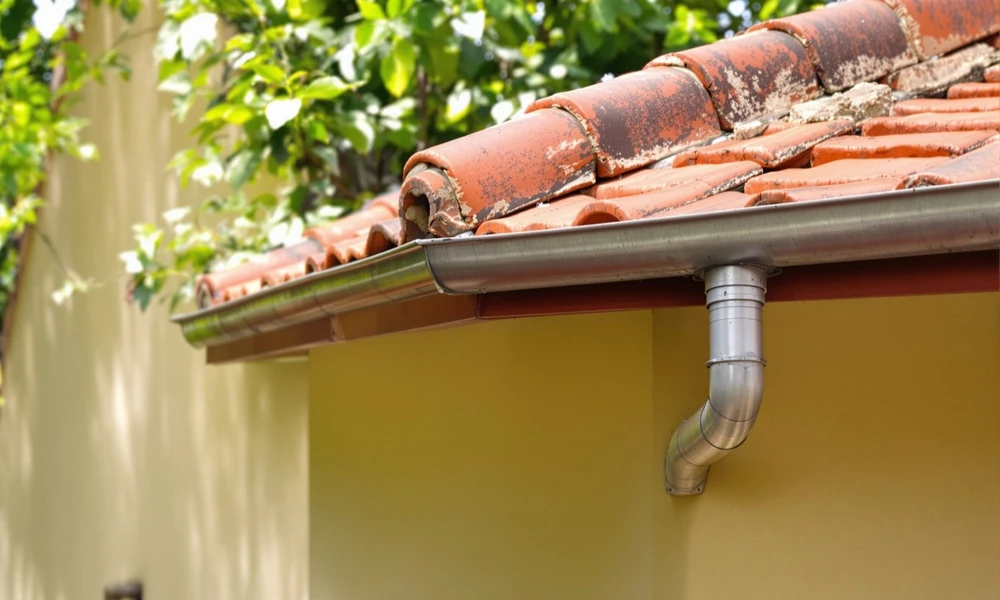
Most homeowners think about their gutters only when something goes wrong, like a waterfall pouring over the edge during a storm or an icicle the size of a baseball bat hanging from the roofline. In Central New York, though, gutters work through every season, and each one asks something different of them. Following a gutter through one full year shows why a little attention at the right time saves a lot of money later. It also shows why hiring a trusted gutter contractor in Canastota is worth considering before small problems turn into expensive repairs.
Spring: The Thaw Test
When the snowpack melts, a season’s worth of water moves off your roof in a matter of days. Gutters that sagged under winter ice are suddenly asked to carry a heavy flow.
What to look for in spring:
- Sagging sections. Water pooling in the middle of a run means the pitch has shifted, often because hangers loosened under ice weight.
- Pulled fascia boards. Gaps between the gutter and the roofline let water slip behind the system and rot the wood.
- Stained siding. Vertical streaks below a seam usually point to a slow leak.
- Pooling near the foundation. If meltwater collects beside the house, downspouts may be clogged or discharging too close.
Spring is also when many homeowners first notice that a downspout has been frozen shut or crushed by sliding ice. Catching this early keeps meltwater from seeping into basements, a common problem in older homes across the Mohawk Valley region.
Summer: The Quiet Season That Hides Problems
Summer brings the least obvious gutter trouble. Dry weather makes it easy to forget about the system, but this is when debris builds up quietly. Seeds, shingle grit, and small twigs settle into the trough and form a dense layer that holds moisture.
Sudden thunderstorms are the real test. A heavy downpour on clogged gutters sends water over the front edge and straight down onto landscaping, walkways, and the soil next to your foundation. Summer is also the best time for repairs, because sealant cures properly in warm, dry conditions and roof access is safer.
A few summer checks worth making:
- Run a garden hose into the gutter and watch whether water drains freely.
- Look at the end caps and corners for dried or cracked sealant.
- Check that downspout elbows are still firmly attached.
- Make sure nothing has grown into or through the gutter line, such as small shoots from tree seeds.
Fall: The Make or Break Window
Autumn is the most important season for gutters. Falling leaves, maple helicopters, and pine needles fill the trough quickly, and wet leaves pack down into a heavy mat.
The reason this window matters is simple. Whatever is sitting in your gutters when the first hard freeze arrives will freeze in place. Trapped water turns to ice, ice adds weight, and weight pulls hangers loose. A thorough cleaning after most of the leaves have dropped, ideally in late October or November, gives the system a clean start for winter.
This is also the time to think about upgrades. Gutter guards can reduce how often you need to clean, though no guard eliminates maintenance completely, and some types perform better than others under heavy snow. If you have large trees overhanging the roof, a professional can advise which setup will hold up locally.
Winter: Ice, Weight, and Ice Dams
Central New York winters are tough on any exterior component, and gutters take some of the worst of it. Repeated freezing and thawing expands water in seams and joints, and snow sliding off the roof can bend or pull away sections.
Ice dams are the biggest concern. They form when heat escaping from the attic warms the roof surface, melting snow that then refreezes at the colder eave. The ridge of ice blocks drainage, and meltwater backs up under the shingles. Gutters are often blamed, but the root cause is usually insulation and ventilation in the attic. Good gutters still matter, though, because a clear and properly pitched system gives meltwater a path to escape.
Warning signs during winter:
- Thick icicles forming along the full length of the roofline
- Water stains on ceilings along exterior walls
- Ice buildup around downspout outlets
- Gutters visibly pulling away from the house
Avoid chipping at ice with tools while standing on a ladder, since that is how many winter injuries and damaged gutters happen.
Why Water Management Matters Beyond the Gutter Itself
Gutters are one part of a bigger system for moving water away from your home. Where the water goes after the downspout matters just as much as how it gets there. Directing runoff well away from the foundation protects basements and crawl spaces, and some homeowners even collect part of it in rain barrels. The U.S. Environmental Protection Agency explains the benefits and basics of this approach in its guide to rain barrels and stormwater reuse, which is a helpful read if you want to put your roof runoff to work in the garden.
A Simple Seasonal Checklist
| Season | Main Focus | Quick Action |
|---|---|---|
| Spring | Storm and thaw damage | Inspect for sagging and loose hangers |
| Summer | Hidden buildup and repairs | Flush with a hose, reseal seams |
| Fall | Debris removal | Clean thoroughly after leaf drop |
| Winter | Ice control | Watch for dams and avoid risky DIY removal |
When to Call a Professional
Some gutter work is manageable for a confident homeowner, but there are times when a professional is the better choice. Two-story rooflines, repeated overflow in the same spot, widespread sagging, or signs of rot along the fascia all point to an issue that cleaning will not solve. A qualified contractor can find the underlying cause, whether that is improper pitch, undersized gutters, or poorly placed downspouts, and fix it properly the first time.
Final Thoughts
A gutter system never really gets a day off. It handles the spring thaw, summer storms, fall debris, and winter ice, and each season builds on the one before. A small amount of seasonal attention keeps water flowing where it should and protects your roof, siding, and foundation. If your gutters have been showing warning signs, now is a smart time to have them looked at before the next freeze sets in.
A few notes: the keyword link sits in the opening paragraph, the authority link goes to the EPA, and the title has no special characters. I kept the claims general and did not describe specific services for Barry Best, so you may want to add those details if you have them. If you’d like, I can put this into a Word or Google Docs-ready file.