
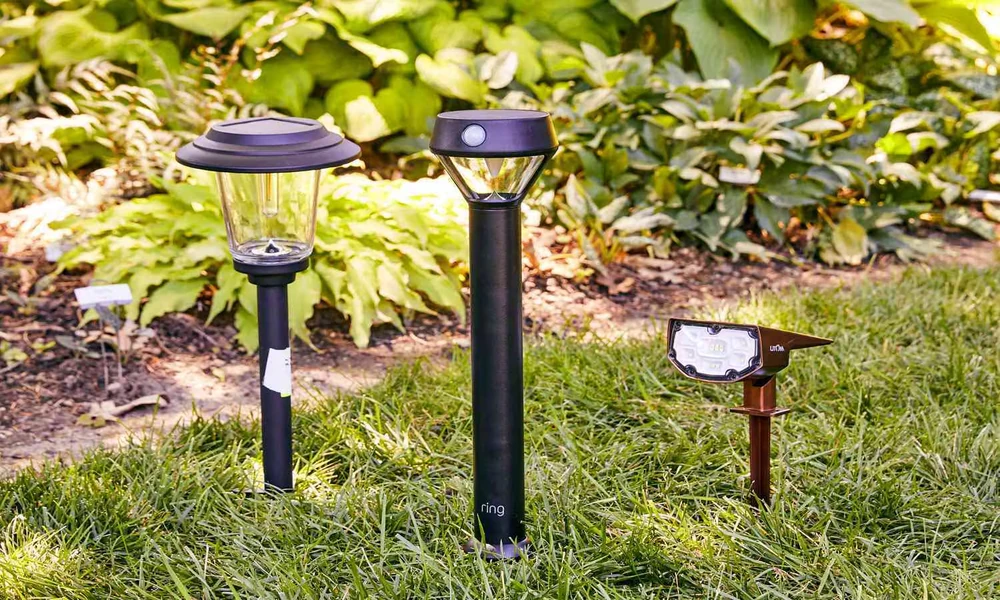
Separating Solar Performance Claims from Reality
Solar light fixture marketing tends to emphasize peak conditions: maximum output, maximum battery life, maximum lighting duration under optimal charging. Real-world performance in actual installation conditions – with seasonal variation, non-ideal sun exposure, battery capacity that decreases over years of outdoor cycling – is typically meaningfully different from peak-condition claims.
The honest evaluation of a solar fixture’s suitability for a specific installation starts with the sun exposure at the proposed location during the shortest days of the year, not the longest. A fixture that charges adequately in June may underperform significantly in December in northern climates where day length decreases substantially and sun angle drops. For year-round reliability at a specific location, the minimum seasonal exposure is the relevant variable.
Battery capacity – measured in milliamp-hours – is the specification that most determines how long the fixture operates on a single charge. A fixture with a large panel and small battery may charge quickly but not have enough stored energy for a full night of operation. A fixture with a smaller panel and larger battery may take longer to fully charge but maintain consistent output through longer winter nights. Comparing panel wattage and battery capacity together, rather than either alone, provides a more accurate picture of a fixture’s operating characteristics.
Choosing the Right Solar Fixture for the Application
Solar light fixtures perform best in well-defined applications: accent lighting for garden features and architectural elements in locations with good sun exposure, step and pathway illumination in areas with adequate daily sunlight, and motion-activated security lighting for locations too remote from the home’s electrical system for practical hardwired installation.
Motion-activated solar fixtures are a particularly practical combination – the motion activation conserves battery by operating the fixture only when needed, extending the effective operating duration from a single charge compared to fixtures that stay on all night. For security and driveway applications, this conserved battery allows reliable activation throughout the night even with the energy reduction of shorter winter days.
IP rating is the specification that determines whether an outdoor solar fixture will survive the installation environment. IP44 (splash-proof from any direction) is the minimum for covered outdoor installations. IP65 (jet-proof from any direction) is appropriate for fixtures in exposed locations. Solar fixtures without adequate IP ratings deteriorate faster in wet weather, affecting both the LED components and the battery performance.
Energy Star outdoor lighting guidance covers performance standards that are applicable to evaluating solar fixture claims, even though the specific certification process differs from grid-powered products.
Realistic Maintenance Expectations
Solar panel cleaning is the maintenance step most often overlooked and most consequential for performance. A panel with accumulated dust, pollen, or bird droppings charges at reduced efficiency – sometimes significantly reduced. Monthly panel cleaning with a damp cloth restores charging performance and maintains the output that the fixture was producing when new.
The rechargeable battery in a solar fixture typically begins showing capacity reduction after 300 to 500 charge cycles, which corresponds to roughly 18 to 36 months of daily use. The performance symptom – shorter operating duration per night – is the signal that battery replacement is approaching. Having the replacement battery accessible before the original battery fails prevents a gap in service.