
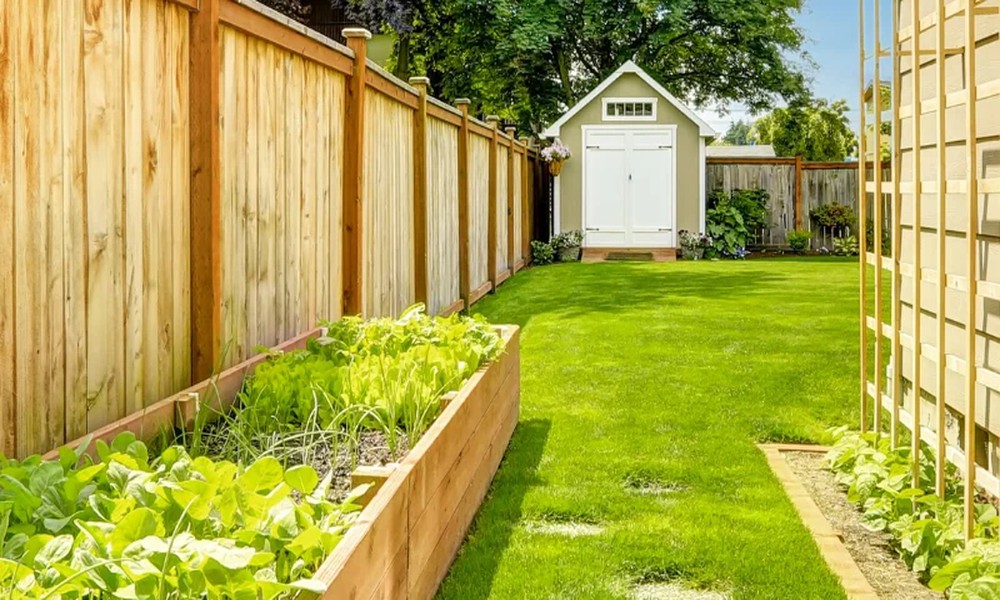
You can usually tell what kind of summer it’s going to be for the fencing trade by late April.
The phones start ringing for the same types of jobs. Pinterest screenshots begin appearing in emails. People suddenly decide the tired fence they ignored all winter now ruins the entire garden. Then comes the annual rush to get everything done before the first proper heatwave arrives.
This year feels different though.
Homeowners across Leeds and the wider UK seem far more focused on how fencing actually works within the garden, not just how it looks in photographs. There’s still plenty of interest in modern styles, but practicality has crept back into conversations. That’s probably because the past few years have battered a lot of poorly built fencing.
Heavy rain, sudden heat, strong gusts and waterlogged gardens have exposed weak installations all over the place.
One thing I’ve noticed recently is that homeowners searching for fence panels near me services are asking far better questions than they used to. Not just “What looks nice?” but “Will this survive my garden conditions?” and honestly, that’s refreshing.
Because some trends look brilliant online but struggle badly once they meet a wet Yorkshire winter.
Slatted Fencing Has Fully Taken Over Modern Gardens
Without question, horizontal slatted fencing dominates this summer.
Not the cheap flimsy stuff either. Proper framed systems with decent structure behind them.
You see it everywhere now – renovated terraces, suburban extensions, garden office projects, outdoor kitchens, even compact new-build gardens trying to create a cleaner visual line.
The appeal makes sense.
Traditional overlap panels can sometimes make gardens feel boxed in, especially smaller plots. Slatted fencing softens things visually and allows airflow without fully exposing the space.
That airflow matters more than people think.
Solid fencing catches wind aggressively. Slatted systems reduce pressure if installed correctly. I say “if” because this is also one of the easiest styles to get wrong.
Spacing has to stay consistent. Timber movement needs allowing for. Posts need proper support because horizontal lines highlight every tiny installation mistake. If one post shifts slightly, the entire run suddenly looks uneven.
I’ve repaired several slatted systems recently where installers clearly prioritised speed over accuracy. They looked sharp for six months then gradually started drifting out visually once the timber moved through the seasons.
That’s the downside of modern fencing trends. Cleaner designs expose poor workmanship instantly.
Dark-Coloured Fencing Is Still Growing Fast
Anthracite greys. Charcoal stains. Black composite systems.
They’re everywhere this year.
A few summers ago darker fencing still felt quite niche outside designer gardens. Now it’s become mainstream, especially paired with pale porcelain patios and lighter planting schemes.
Personally, I think some of it works brilliantly.
Done properly, darker fencing creates depth and makes greenery stand out far more. Certain gardens genuinely feel larger because the boundaries visually disappear instead of shouting for attention.
But dark fencing also magnifies imperfections.
Every warped board shows. Every uneven gap shows. Cheap timber dries out faster in direct sunlight too, especially south-facing gardens that get hammered during hot spells.
Many homeowners in Leeds ask me whether black-painted fencing lasts longer.
Honestly – not necessarily.
A good-quality stain system helps with protection, but darker colours absorb more heat. During last year’s hotter weeks I saw several dark timber runs twisting noticeably faster than lighter-treated panels nearby.
Composite handles dark colours much better overall, but composite introduces its own installation challenges.
There’s always a trade-off somewhere.
Composite Fencing Is No Longer Just For High-End Homes
Five years ago, composite fencing mostly appeared on expensive renovation projects.
Not anymore.
This summer there’s been a massive rise in mid-range homeowners asking about it. Rising timber replacement costs have changed attitudes. People are becoming more open to paying higher upfront costs if it means less maintenance and longer lifespan.
The interesting part is why people choose it.
It’s rarely about status.
Most customers simply want less hassle. They’re tired of repainting timber every couple of years or replacing damaged panels after storms. Composite appeals because it feels more predictable.
And in fairness, decent systems usually are.
That said, some installers oversell composite fencing badly.
It still expands in heat. It still requires solid groundwork. Cheap composite can still fade unevenly. Poor drainage still creates problems around posts and bases.
One thing I see often on local jobs is homeowners assuming composite means “maintenance free”.
Nothing outdoors is maintenance free in Britain.
Leaves build up. Algae forms. Dirt collects. Garden boundaries always need some level of care.
Natural Timber Still Looks Best In Certain Gardens
Despite all the modern trends, properly installed timber fencing still suits most British gardens better than anything else.
Especially older Leeds properties.
Stone terraces, mature gardens, traditional brickwork and established planting often look strange against ultra-modern fencing systems. Sometimes simpler featheredge fencing fits the character of the property far more naturally.
And honestly, good featheredge done properly still looks fantastic.
There’s a reason experienced fencing contractors continue recommending it for exposed gardens. It handles wind well. Repairs are straightforward. Individual boards can be replaced easily. The structure remains strong even if one section takes damage.
Modern decorative systems often require full-panel replacement when something fails.
Featheredge also ages better visually in my opinion. It weathers naturally instead of trying to stay perfectly pristine forever.
Some homeowners hate that idea. Others love it.
You can usually tell within minutes which category somebody falls into.
Privacy Has Become More Important Than Style
This might actually be the biggest trend underneath all the others.
Privacy.
People want quieter gardens now.
New-build developments have pushed houses closer together. Garden offices mean more people spend daytime hours outside. Hot tubs, pergolas and outdoor seating areas have changed how gardens get used.
As a result, taller fencing requests have surged this summer.
Not ridiculously tall. Just enough to remove direct overlooking.
The interesting shift is that homeowners no longer want privacy fencing to feel harsh or defensive. They still want light. They still want openness. That’s partly why slatted fencing became so popular in the first place.
People want separation without feeling boxed in.
You also see more mixed-material installations now:
- timber with metal screens
- composite with decorative slats
- planting integrated into fencing
- acoustic-style sections near roads
- staggered heights around seating zones
Gardens are becoming more layered rather than simply enclosed.
Pergola-Style Fencing Features Are Everywhere
This summer’s outdoor living trend has blurred the line between fencing and landscaping.
A lot of homeowners no longer want fencing as a standalone boundary feature. They want it tied into pergolas, lighting, seating areas and planting schemes.
That creates some brilliant-looking gardens when done well.
It also creates some very expensive mistakes when done badly.
I’ve seen decorative screening attached directly onto weak fence posts that were never designed to carry additional weight. Add climbing plants, integrated lighting and wet winter conditions, and suddenly the entire run starts leaning within a year.
Decorative extras always increase structural load.
That’s something social media rarely shows.
The nicest-looking fencing jobs usually have the boring structural work hidden underneath. Deeper posts. Better fixings. Stronger rails. Proper drainage. Nobody photographs that part, but it’s the reason some installations still look straight ten years later.
Rural-Style Fencing Has Quietly Returned
While modern styles dominate urban gardens, there’s also been a noticeable return toward softer rural-inspired fencing in suburban areas.
You see more:
- timber post-and-rail details
- natural stain finishes
- wider gravel boards
- softer planting integration
- curved tops
- mixed hedge and fence boundaries
I think people are getting slightly tired of every garden trying to resemble a rooftop bar in Manchester.
Not every outdoor space suits sharp black lines and grey porcelain slabs.
Some of the best gardens I’ve worked around recently actually felt calmer and more natural. Slightly softer landscaping. Warmer timber tones. Less obsession with making everything perfectly modern.
From years on site, I’d say timeless usually outlasts fashionable.
That applies to fencing too.
Fence Repairs Are Shaping Buying Decisions
Another trend I didn’t expect this summer is how much repair experience influences replacement choices.
Homeowners who’ve dealt with repeated storm damage are becoming far more practical.
People who previously wanted lightweight decorative panels now ask about wind resistance. Homeowners replacing failed cheap fencing suddenly care about post depth and timber treatment quality.
Pain teaches quickly.
There’s also more awareness around long-term repair costs. Replacing one damaged decorative section can sometimes become awkward if manufacturers discontinue styles or colour batches change.
Traditional systems still win heavily on repair simplicity.
That matters more than glossy brochures suggest.
A surprising number of homeowners searching for fencing contractor near me services now specifically ask for fencing that can be repaired easily later rather than fully replaced.
Honestly, that’s a smart way to think.
Gravel Boards Are Finally Getting More Attention
This sounds dull compared to trendy fencing styles, but gravel boards might quietly be one of the most important parts of modern installations.
And thankfully, more homeowners finally understand why.
Timber panels sitting directly against wet soil fail dramatically faster. Concrete gravel boards lift the fencing away from constant moisture and reduce rot problems massively.
I still see installers skipping them to reduce costs.
Bad idea.
Especially in Leeds where heavy clay soil holds water for long periods during winter.
Concrete gravel boards used to look bulky and unattractive, but modern versions are far cleaner visually. Recessed systems and slimmer profiles work much better with contemporary fencing styles.
They also stop gardeners damaging panels with strimmers, which probably causes more fence damage than people realise.
Garden Boundaries Are Becoming More Architectural
This summer’s biggest overall shift probably comes down to one thing.
People now see fencing as part of the house design itself.
Years ago fencing was often an afterthought. Functional. Basic. Something to replace when broken.
Now it’s treated almost like an exterior wall.
That changes expectations massively.
Homeowners want:
- cleaner lines
- integrated lighting
- coordinated colours
- matching gates
- hidden fixings
- consistent visual flow
The fencing industry has had to evolve quickly because of that.
Some older installation methods simply don’t suit modern expectations anymore. Crooked rails and uneven posts that once passed without complaint now stand out immediately against minimalist garden designs.
At the same time, the strongest long-term installations still rely on old-school groundwork principles.
Good drainage. Solid post depth. Proper spacing. Correct fixing methods.
That part never changes, no matter what trend dominates Instagram for six months.
The gardens that still look good after ten winters are usually the ones where appearance and structure were given equal importance from the start.
And honestly, that’s probably the smartest fencing trend of all this summer.